
Swedish Massage in Nairobi: Benefits, What to Expect, and Where to Book in South B (2026)
After a long day in Nairobi traffic, a packed work schedule, or a hard gym session, your body can feel tight in all the usual places, neck, shoulders, lower back, and calves. When that tension starts to mess with your sleep or your mood, a relaxing reset sounds less like a luxury and more like basic self-care.
Swedish Massage is a gentle, full-body massage style that uses long strokes, light-to-medium pressure, and kneading to help you relax and ease everyday muscle tightness. It’s a great option if you’re new to massage, you don’t want intense pressure, or you just need your mind to slow down for an hour.
In this guide, you’ll learn what Swedish massage is and how it works (in plain language), plus the benefits it may help with, like stress relief, looser muscles, and better rest. You’ll also get a clear picture of what a session is like, from how you’ll be draped to what “good pressure” should feel like, so there are no awkward surprises. Besides that, we’ll cover who it’s best for, simple safety tips (including when to pause or skip a massage), and how to get the most from your session afterward.
If you’re looking for Swedish massage in South B, Nairobi, you’ll also find practical booking guidance and where to go locally. For example, you can check Nairobi massage services at Splendid Massage & Spa in South B to see available options and reach out to book. By the end, you’ll know exactly what to ask for, what to expect on the table, and how to choose a session that fits your body and your week.
Swedish Massage explained in plain language
Swedish Massage is the “classic” relaxing massage most people picture, smooth strokes, comfortable pressure, and a steady rhythm that helps your body soften. Think of it like slowly loosening a tight shoelace instead of yanking it hard. The goal is simple, help you feel calmer, improve circulation, and ease everyday muscle tightness without turning the session into a pain test.
A good therapist will usually start lighter, then adjust as your muscles warm up. If you’re booking in Nairobi, especially after long hours seated or stuck in traffic, Swedish Massage often feels like a full-body reset you can actually enjoy.
The classic Swedish massage strokes, and what each one does
Swedish Massage is built on a few main strokes. Each one has a different “job,” and together they create that relaxed, floaty feeling people love.
Here’s what you’ll usually feel during a session:
- Long, gliding strokes (effleurage): These are smooth strokes that move along the muscle, often toward the heart. It feels like warm hands smoothing out wrinkled fabric. Therapists use it to warm up tissue, spread oil or lotion, and help your nervous system settle.
- Kneading (petrissage): This feels like someone gently squeezing and rolling your muscles, similar to kneading dough. It helps loosen tight spots and encourages better blood flow in areas that feel “stuck,” like shoulders and upper back.
- Friction: These are smaller, deeper rubs in a focused area. It can feel like someone using their thumb to “erase” a stubborn knot. The purpose is to work on tight bands and improve mobility in a specific spot.
- Tapping (tapotement): Light, rhythmic tapping or chopping with the side of the hand. It feels energizing, like a quick wake-up for sleepy muscles. Therapists use it to stimulate circulation and bring tone back into an area.
- Gentle shaking or rocking (vibration): Small shakes or soft rocking that can feel surprisingly soothing. It’s like jiggling tension loose, the same way you’d shake your hands after carrying heavy bags. This often helps calm the nervous system and relax muscles that don’t want to let go.
Tip: Swedish Massage should feel comforting and organized, not random. The flow matters because rhythm tells your body it’s safe to relax.
Pressure levels, oil or lotion, and why comfort matters
Swedish Massage isn’t “one pressure fits all.” Most sessions sit between light and medium pressure, although firm pressure can be used in small doses if your body likes it.
A simple way to choose:
- Light pressure works well if you’re sensitive, stressed, new to massage, or you mainly want to relax.
- Medium pressure is the sweet spot for most people, you feel the work, but you can still breathe normally and unclench your jaw.
- Firm pressure can help with dense muscles (like glutes or upper back), but it should still feel controlled, not sharp.
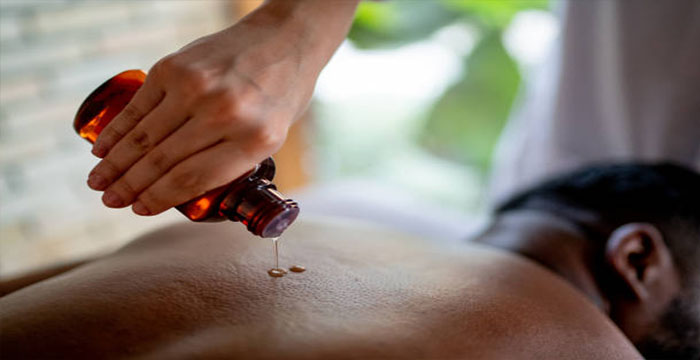
Oil or lotion matters more than people think. It reduces drag on the skin, so strokes feel smooth instead of “scratchy.” It also lets the therapist work steadily without irritating your skin, especially on areas like the back and shoulders.
Comfort is not a bonus, it’s part of the result. If you tense up, your muscles resist and the massage becomes less effective. Speak up early and clearly:
- If something feels painful or pinchy, say so.
- If it’s good discomfort (a satisfying pressure on a tight spot), you can ask them to stay there a little longer.
Most therapists also adjust pressure by body area. For example, your back may handle more pressure than your calves or the front of your shoulders. You can even request “medium on the back, light on the legs,” and that’s a normal request.
Swedish Massage vs deep tissue, sports massage, and aromatherapy
It helps to think of these styles as different tools. They can overlap, but the focus changes.
Swedish Massage feels relaxing and flowing, and it targets general tension. Choose it if you want stress relief, you feel tight from sitting or daily life, or you’re booking your first massage and want something easy to enjoy.
Deep tissue massage goes slower and more specific, with deeper pressure to work on stubborn, chronic tightness. It can feel intense, even when done well. Pick deep tissue if you know you want deeper work on long-term knots, and you’re comfortable with stronger pressure. If you want deep pressure everywhere, Swedish is usually not the best match.
Sports massage is more goal-based. It may include stretching, compression, and focused work tied to training or performance. It’s a good option if you have workout-related tightness, you’re preparing for an event, or you want help with recovery patterns (like calves, hamstrings, hips).
Aromatherapy is not a massage style on its own, it’s an add-on using essential oils for scent and mood support. It pairs nicely with Swedish Massage because the whole point is relaxation. If strong smells give you headaches, ask for a light scent or skip it.
Rule of thumb: If your main goal is to relax and loosen up, start with Swedish Massage. If your goal is fixing a specific stubborn problem, ask about deep tissue or sports-focused work.
Who usually benefits most, and when to choose a different option
Swedish Massage works best when your body needs calm, comfort, and general muscle relief. It’s a strong choice for:
- Desk workers with neck and shoulder tension, especially from laptops and long drives.
- People doing gentle recovery after workouts, when you feel sore but not injured.
- Anyone dealing with stress-related sleep problems, because the rhythm helps your body slow down.
- First-time clients who want a safe, simple starting point.
- People who want calm touch, not intense pressure.
On the other hand, some situations call for caution or a different plan. Consider waiting, choosing a gentler option, or getting medical advice first if you have:
- An acute injury (new sprain, strain, or swelling).
- Fever, flu symptoms, or you feel unwell.
- Uncontrolled high blood pressure or chest pain symptoms.
- Certain skin infections, open sores, or contagious rashes.
If you’re not sure, explain your situation before booking. A professional spa should help you choose the right service. For people in South B, Splendid Massage & Spa offers a range of massage options, so you can match the session to your goal, whether that’s a relaxing Swedish-style session, a more targeted approach, or an add-on like aromatherapy, based on what you’re comfortable with.
What happens during a Swedish Massage session, step by step
A Swedish Massage session should feel predictable in a good way. You’ll know what comes next, you’ll stay covered, and you’ll have chances to ask for adjustments without making it awkward. Here’s the typical flow, from the moment you plan your session to what to do once you leave.
Before you arrive, set a goal for your session
Start with one simple question: What do I want to feel when I get off the table? When your goal is clear, your therapist can use the time well, instead of guessing.
Most people choose one of these session styles:
- Full body reset: Best if you feel generally tight or stressed, and you want head-to-toe relaxation.
- Upper-body focus: Great for desk tension, especially neck, shoulders, and upper back.
- Leg focus: Helpful if your calves, hamstrings, or feet feel heavy from walking, gym, or long commutes.
Next, decide your pressure preference. Swedish Massage usually sits in the light-to-medium range, but you can still personalize it. If you’re unsure, ask for “start light, then build to medium.”
Also, mention anything that could affect comfort or safety, for example:
- Allergies or sensitivities (oils, lotions, strong scents)
- Ticklish areas (often feet, sides of ribs, inner arms)
- Skin concerns (recent shaving irritation, rashes, sunburn)
- Pain triggers (a shoulder that pinches, a low back that spasms)
A few practical tips help your body respond better:
- Drink water earlier in the day, then keep sipping after.
- Avoid a heavy meal right before, because lying face down can feel rough on a full stomach.
- Arrive a few minutes early so you’re not rushing in with your jaw clenched and shoulders up.
If you’re booking in South B, Splendid Massage & Spa can work with simple goals like relaxation, easing neck and shoulder tension, or a full-body Swedish Massage, as long as you tell them what you want at the start.
The intake chat, boundaries, and how to ask for what you want
Before the massage begins, a good therapist does a quick intake chat. It doesn’t need to be long, but it should cover the basics so you feel safe and understood. Expect questions about pain points, injuries, recent workouts, medical issues, and what you want from the session (relaxation, loosening tight muscles, better sleep).
This is also the moment to set clear boundaries. Swedish Massage is still a professional service, and you’re allowed to be direct about comfort, modesty, and touch. Consent should be simple: you agree to what’s worked, and you can change your mind anytime.
Use clear phrases like these, they work because they’re specific:
- Pressure: “That’s a bit too much, please go lighter.”
- More pressure: “You can go a little firmer, but stay in that comfortable range.”
- Areas to avoid: “Please skip my lower back today, it’s sensitive.”
- Time on an area: “My right shoulder is the problem spot, can you spend extra time there?”
- Temperature: “Could you make the room a bit warmer?”
- Music volume: “Can we lower the music a little?”
- Oil or scent: “Unscented oil only, strong scents give me a headache.”
Good to know: You never need to “tough it out.” If something feels wrong, say it right away. A professional therapist will adjust without making it a big deal.
If you’re not sure what to request, keep it simple: “I want a relaxing Swedish Massage, medium pressure, and please avoid any painful work.”
During the massage: draping, breathing, and staying comfortable
Once you’re on the table, the therapist will explain how to get positioned and how the sheet or towel will be used. In a standard Swedish Massage, draping means you stay covered, and only the area being worked is uncovered. That keeps you warm, comfortable, and protected.
Most sessions follow a steady order, although it can change based on your goal:
- Back and shoulders (often first, because it’s where stress shows up)
- Back of the legs (hamstrings and calves)
- Arms and hands
- Neck and upper shoulders (sometimes face up)
- Front of the legs (if included in your session)
Throughout the massage, your job is simple: breathe and give feedback. Try this if your body won’t “let go”:
- Inhale through your nose for a slow count of 4.
- Exhale longer than you inhaled, like you’re fogging a mirror.
- Let your shoulders drop on the exhale, even if it’s just a little.
If you feel a tender spot, aim for “hurts so good” but still controllable. Sharp pain, burning, numbness, or a pinching feeling isn’t the goal. Say, “That feels sharp, please ease up,” and let them adjust their angle or pressure.
It’s also normal to have small reactions. Your stomach might gurgle. You might get emotional. Many people fall asleep, especially during long gliding strokes. That doesn’t mean you’re rude, it usually means your nervous system finally feels safe enough to rest.
Aftercare: what to do in the next 24 hours for the best results
The massage doesn’t end when you stand up. The next day is when the benefits often settle in, especially after a first Swedish Massage or after a stressful week.
Start with the basics:
- Hydrate steadily: Water supports recovery and helps you feel less sluggish later.
- Keep movement gentle: A light walk or easy stretching keeps your muscles loose.
- Take a warm shower: Warm water can calm any leftover tenderness and helps you feel grounded.
Some mild soreness can happen, especially if you had tight areas worked for longer. It often feels like post-workout tenderness, not injury pain. If you feel a little “floaty” or sleepy, take it easy that evening, and try an early night.
Pay attention to signals that suggest you should pause and get medical advice, especially if they don’t fade with rest:
- Sharp or increasing pain
- Dizziness that persists after sitting, drinking water, and eating something light
- Numbness, tingling, or weakness that is new for you
Most people feel calmer, looser, and more comfortable by the next morning. If your goal was better sleep, support it with a simple plan: a lighter dinner, less screen time, and a relaxed bedtime. That way, the session doesn’t just feel good on the table, it carries into your week.
Real world benefits of Swedish Massage, backed by common sense and research
Swedish Massage gets talked about like a treat, but its benefits are pretty practical. When a skilled therapist uses slow, steady strokes, your body often responds the same way it does when you finally sit down after a long day, your shoulders drop, your jaw softens, and your breathing slows.
Research on massage points to a mix of effects: a calmer stress response, less perceived pain, and better short-term sleep for many people. Common sense fits here too. If your muscles feel like tight ropes and your mind feels “on,” calming touch and rhythmic pressure can help your system settle so you can recover.
Stress relief: how touch can help your body switch into rest mode
Your nervous system runs on two main settings. One is fight or flight, when your body acts like it’s handling a threat. Your heart rate rises, your breathing gets shallow, and your muscles brace. The other is rest and digest, when your body feels safe enough to relax, breathe deeper, and recover.
Swedish Massage tends to support that “rest mode” because it’s predictable and soothing. Slow strokes, steady pressure, and a calm pace can lower the “alarm” feeling in your body. In other words, it gives your brain a clear message: nothing urgent is happening right now. Many people notice their thoughts slow down within minutes, especially when the therapist keeps a steady rhythm.
Try this simple breathing reset at home (it takes about a minute):
- Sit with your feet on the floor and your shoulders relaxed.
- Inhale through your nose for a count of 4.
- Exhale through your mouth for a count of 6 (make the exhale longer).
- Repeat 5 times, and drop your shoulders a little more each round.
If you do this before bed, it can feel like turning down the volume on the day.
Muscle tension and soreness: why Swedish can help you move easier
Daily life in Nairobi can tighten your body in sneaky ways. Sitting in traffic can lock up your hips and upper back. A gym session can leave your legs heavy. Manual work can load your forearms, shoulders, and lower back. Over time, tight muscles start to limit how smoothly you move, like a shirt that shrank in the wash.
Swedish Massage helps because it warms the tissues and encourages blood flow through areas that feel stiff. That warmth plus gentle kneading can make muscles feel more elastic, so turning your neck, reaching overhead, or walking up stairs feels easier. Many people also notice less “protective” tension, where your body stays braced even when you’re resting.
A few realistic expectations help:
- You might feel looser right away, or you might notice it most the next morning.
- Mild post-massage tenderness can happen, especially if you were already sore.
- Consistency usually beats intensity, a comfortable session often works better than forcing deep pressure.
Important: Massage can support recovery, but it doesn’t replace medical care for injuries. If you have sharp pain, swelling, numbness, or a recent strain, check in with a clinician first.
Sleep and mood: why many people feel calmer after a session
A good Swedish Massage often leaves you with that quiet, grounded feeling, like your body finally stopped “holding its breath.” That calm matters because sleep isn’t just about being tired. Sleep also depends on whether your nervous system feels safe enough to power down.
When relaxation improves, sleep routines often get easier. You fall asleep faster, wake up less, or stop replaying the day at 2 a.m. Mood can shift too. Many people feel more patient and less reactive after a session, partly because their body isn’t carrying as much tension.
To get the most sleep benefit, plan with a little intention:
- Book at the right time: Late afternoon or evening works well if you want to go home and unwind.
- Watch caffeine late in the day: If you’re sensitive, keep coffee earlier so your body can settle at night.
- Protect your evening: After a session, aim for a warm shower, a light meal, and low-stimulation time (easy music, dim lights, less scrolling).
If you can, treat the hours after massage like recovery time, not a second workday.
Circulation and swelling: what massage can and cannot do
Circulation is basically your body’s delivery system. Blood brings oxygen and nutrients to tissues, then carries waste products away. Swedish Massage can support this process in a simple way: rhythmic strokes and gentle pressure can encourage fluid movement, especially in areas that feel “stuck” after sitting or standing all day.
Some people notice their hands and feet feel warmer afterward. Others feel less heavy in the legs. If you have mild puffiness from long hours on your feet, massage may help you feel more comfortable, especially when paired with movement, hydration, and leg elevation.
Still, it’s important to set limits. Massage is not a cure for medical circulation problems, and it’s not the right choice for every type of swelling. Talk to a clinician before getting massage if you have:
- A history or risk of blood clots (DVT)
- Unexplained swelling in one leg, especially with pain or warmth
- Certain heart or vascular conditions, or you’re on blood thinners
When in doubt, don’t guess. A quick medical check can keep a relaxing plan from turning into a risky one.
Swedish Massage offered by Splendid Massage & Spa in South B, Nairobi Kenya
If you want these benefits in a professional setting, you can book a Swedish Massage style session at Splendid Massage & Spa in South B. Their menu includes massage options designed for relaxation and everyday muscle tension, which makes it easier to choose a session that fits your week.
When you book, keep it simple and specific:
- Ask for Swedish Massage with light-to-medium pressure.
- Mention your main tension areas (neck, shoulders, lower back, calves).
- Request a slower pace if stress relief and sleep are your goals.
Clear communication helps the therapist match the session to what your body needs most.
Getting Swedish Massage in South B, Nairobi at Splendid Massage & Spa
If you’re set on a Swedish Massage in South B, the biggest difference usually isn’t the technique, it’s the experience around it. The best sessions feel safe, clean, and unhurried. You relax faster because you’re not second-guessing anything.
Splendid Massage & Spa in South B, Nairobi offers Swedish-style sessions focused on relaxation and everyday muscle tension. If your week has been heavy on traffic, screens, or gym soreness, this is the kind of massage that helps you exhale again.
What makes a great Swedish massage experience, and how to choose the right therapist
A great Swedish Massage feels like a warm wave rolling over tense muscles, steady, smooth, and controlled. You should never feel rushed, exposed, or unsure about what happens next. Before you commit to a therapist, look for the basics that signal professionalism.
Start with the environment. The room should feel clean and calm, not cluttered or noisy. Fresh linens matter more than people think because they signal hygiene and care. The table should feel stable, and the lighting and music should help you settle.
Communication is the next “green flag.” A good therapist explains how draping works, checks your comfort, and welcomes feedback. Just as important, they respect boundaries without making it awkward. You should feel comfortable saying “please avoid that area” and have it honored right away.
Then comes the work itself. Swedish Massage should be tailored, not copy-paste. Pressure needs to match your body and your day, especially around sensitive areas like the neck, calves, and inner arms. If the strokes feel jumpy or random, you’ll stay tense. If the rhythm is consistent, your nervous system starts to let go.
Here are simple questions worth asking before the session starts:
- Session length: “Is this 60 minutes hands-on, or does it include changing time?”
- Focus areas: “Can we spend extra time on my neck and shoulders today?”
- Therapist experience: “Do you do Swedish Massage often, and what pressure range do you recommend?”
- Pregnancy or injuries: “Can you adjust for pregnancy or an old injury if my doctor has cleared massage?”
A helpful rule: good pressure feels productive, not scary. If you find yourself holding your breath, it’s too much.
How to book, what to bring, and the small details that improve your visit
Swedish Massage works best when you arrive already halfway relaxed. That starts with booking. If you can, book ahead, especially for evenings and weekends. It also helps to request what you want in one clear sentence, for example: “Swedish Massage, medium pressure, focus on upper back and shoulders.”
Plan to arrive a bit early. When you walk in late, your body stays in “go mode.” A few quiet minutes gives your breathing time to slow down. Besides that, set your phone to silent, not vibrate. Even small buzzes can pull you out of the calm.
What to wear? Keep it simple and easy to change out of. Most people wear comfortable clothes and remove what they’re not comfortable wearing during the massage (you’ll be professionally draped). Avoid heavy perfume or strong body spray because scent can distract, and some people react to it.
A few small details can make the whole visit smoother:
- Personal hygiene: A quick shower beforehand helps you feel at ease on the table.
- Hair and makeup: If you want scalp or neck work, skip styles that hurt to lie on.
- Eat light: A heavy meal right before can make lying face down uncomfortable.
- Payments: Confirm the price and payment options at booking so nothing feels tense at the end.
If you have any pain history, say it early. Even in a relaxing Swedish Massage, old injuries matter because they change what positions and pressure feel safe.
Pairing Swedish Massage with other spa treatments for deeper relaxation
Swedish Massage is a strong “base layer” because it calms the body first. After that, add-ons can deepen the effect, as long as you choose them for the right reason. Think of it like building a playlist. Start with slower songs, then add what matches your mood.
For stress and mental fatigue, aromatherapy is a common pairing. A light scent can make the room feel softer and more comforting. Still, if you’re sensitive to smells or prone to headaches, ask for a mild option or skip it. The goal is calm, not sensory overload.
If soreness is the main issue, consider a hot stone add-on or other gentle heat options. Warmth helps muscles soften faster, especially in the back and shoulders. It’s a good choice when you feel stiff but don’t want deep pressure. Heat should feel soothing, not too hot, so speak up quickly if the temperature feels off.
For skin goals, a simple body scrub can pair well, either before your Swedish Massage (so the skin feels smooth and ready for oil) or after (if your spa schedules it that way). A scrub is best when your focus is glow, rough texture, or dry skin, not when your skin feels irritated.
Use your goal to choose the pairing:
- Stress relief: Swedish Massage plus aromatherapy for a calmer, quieter session.
- Everyday soreness: Swedish Massage plus heat for muscles that feel tight and stubborn.
- Skin refresh: Swedish Massage plus a light scrub for softness and smoother-feeling skin.
Whatever you add, keep the plan realistic. One thoughtful pairing usually feels better than stacking too many treatments into one visit. Splendid Massage & Spa in South B can help you pick a combination that fits your body and comfort level, especially if you tell them whether your priority is stress, soreness, or skin.
Conclusion
Swedish Massage is the classic, calming style built on long, smooth strokes, gentle kneading, and steady rhythm. It helps your body downshift, ease everyday tightness, and feel more comfortable in your skin. For many people in Nairobi, it’s the best pick when stress sits in the neck and shoulders, when sleep feels light, or when the body feels heavy after long days of sitting, driving, or training.
Expect a professional, draped session with light-to-medium pressure that you can adjust at any time. Comfort matters because relaxed muscles respond better, so speak up early if something feels sharp, pinchy, too intense, or too light. Afterward, simple habits make the results last longer, drink water, move gently, and plan a calm evening if sleep is your goal. Over time, consistent sessions often beat forcing deep pressure in one appointment.
Swedish Massage offered by Splendid Massage & Spa in South B, Nairobi Kenya gives you a local option for a clean, unhurried reset when your week has been demanding. If you’re ready, book a session in South B, then listen to your body during the massage, breathe, and communicate your pressure and focus areas. Comfort is the signal you’re in the right range, and it’s what turns one good hour into better days afterward.