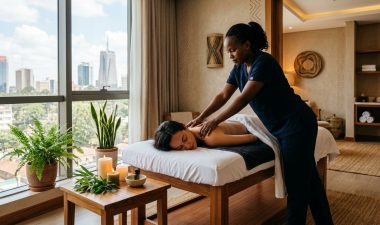
Swedish Massage: What It Is, What to Expect, and Benefits for Relaxation
Stress has a way of collecting in your body, first in the shoulders, then the neck, then the lower back. If you’ve been sleeping poorly, getting tension headaches, or feeling “on” all the time, it makes sense that you’re searching for something that helps you calm down fast, without needing a long recovery.
Swedish Massage is one of the most common relaxation massages, and it’s often the best place to start if you’re new to massage. In plain terms, it’s a full-body (or focused-area) massage that uses smooth, flowing strokes, gentle kneading, and light stretching to help your muscles loosen and your mind settle. It’s meant to feel soothing and steady, not intense or punishing.
Most people describe the feeling as gentle to medium pressure, like warm hands gliding over tight areas until they soften. You might notice your breathing slow down, your jaw unclench, and that “wired” feeling ease up. At the same time, a good therapist can still work out everyday knots, especially around the upper back and shoulders, just without the sharp discomfort that comes with deeper styles.
It also helps to know what to expect going in. You’ll usually stay draped with a sheet or towel, and only the area being worked on is uncovered. Oil or lotion helps the strokes feel smooth, and you can always ask for less pressure, more pressure, or extra time on a problem spot.
If you’re looking for a local option, you can check full-body Swedish relaxation in Nairobi to see what’s offered and how sessions are set up.
In the rest of this post, you’ll learn what Swedish massage is (and isn’t), the main techniques therapists use, the benefits people notice most, and how to get the best results from your session. You’ll also get clear tips on communication, aftercare, and when another massage style might fit better.
Swedish Massage: what it is, what it is not, and who it is best for
Swedish Massage is the classic “relaxation massage” most people picture when they think of a spa day. The goal is simple: help you unwind, encourage comfortable blood flow (circulation), and ease everyday muscle tension with smooth, steady touch. It’s more about calming your nervous system and loosening the “daily stress armor” than chasing pain or pushing through sharp discomfort.
It also helps to clear up what it’s not. Swedish massage is not a rough, intense session where you grit your teeth. It’s not a targeted rehab treatment for injuries, and it’s not meant to feel like someone is trying to “break up” your muscles. A good session can still address tight knots, but it does it in a way that keeps you relaxed, not on edge.
The classic Swedish techniques, explained like you are new to massage
Swedish massage uses a handful of main strokes, and each one has a different “job.” Think of it like a playlist that starts slow, builds a little, then settles again, all based on what your body seems to need.
Here’s what you’ll usually feel during a Swedish Massage session:
- Long gliding strokes (often called “effleurage”): These are smooth strokes that glide along your skin with oil or lotion. They typically feel warm and flowing, like your muscles are being gently “ironed out.” Therapists often use them to help you settle in, spread the oil, and connect one area of the body to the next without jolting you out of relaxation.
- Kneading (often called “petrissage”): This feels similar to slow squeezing and rolling, like kneading dough, but much gentler than it sounds. You may notice a comfortable pressure that helps tight areas feel softer and more pliable, especially in the shoulders, upper back, and calves.
- Gentle tapping (often called “tapotement”): These are light, rhythmic taps or chops done with soft hands. It can feel energizing for a moment, almost like waking up a sleepy muscle, then it usually transitions back into slower strokes so your body doesn’t feel overstimulated.
- Friction (small focused rubbing): Friction is more targeted and usually slower. Your therapist might use fingertips, thumbs, or the heel of the hand to rub a tight spot in small circles. It can feel “good sore,” but in Swedish massage it should stay within your comfort zone. If it feels sharp or makes you tense up, that’s your cue to ask for lighter pressure.
- Vibration or shaking: This is a gentle wiggle or soft shaking movement over a muscle group. Some people find it oddly soothing, like your body is being reminded to let go. Others barely notice it, which is also normal.
The best Swedish massage sessions feel like a steady conversation between your body and the therapist’s hands. If you can breathe easily and your shoulders drop, the pressure is probably right.
If you’re new to massage, one simple tip helps a lot: say what you like in plain words. “More slow strokes,” “less pressure on my neck,” or “that spot feels tender” gives the therapist clear direction.
How Swedish Massage compares to deep tissue, sports, and aromatherapy massage
It’s easy to assume all massages are the same, just with different names. In reality, the style changes the pressure, pace, and focus. The simplest way to choose is to match the massage to your main goal: calm, muscle tightness, athletic recovery, or mood support.
Here’s a quick side by side view to make it easier:
| Massage style | Typical pressure | Typical speed | Main focus | Best for |
|---|---|---|---|---|
| Swedish Massage | Light to medium | Slow to moderate | Full-body relaxation, easing everyday tension | First-timers, desk workers, stress relief, people who want calm |
| Deep tissue | Medium to firm (can feel intense) | Slower, more focused | Deeper layers and stubborn tight spots | People who like firm work, long-term tightness, those who want a “worked on” feeling |
| Sports massage | Medium to firm (varies) | Often moderate to fast in parts | Performance support, overused areas, mobility | Active people, pre-event or post-workout care, repetitive strain patterns |
| Aromatherapy massage | Light to medium | Usually slow | Relaxation plus scent-based comfort | People who want a soothing experience and enjoy essential oils |
A few practical takeaways help most people decide fast:
- Choose Swedish Massage if you want your mind to quiet down and your body to soften, without intensity.
- Pick deep tissue if you want firmer, slower work and you don’t mind discomfort at times.
- Go for sports massage if you’re training, you have a sport-specific tight area, or you want a more functional approach.
- Try aromatherapy if scent helps you relax and you want a “spa calm” focus.
One more note: many sessions blend styles. For example, you might get mostly Swedish strokes, then a few minutes of deeper, slower work on your shoulders if you ask for it. The best results usually come from clear feedback, not from forcing one label.
Also, if you’re comparing Swedish massage to Thai massage, expect a different experience. Thai massage often uses more stretching, body positioning, and assisted movement, sometimes on a mat and often without oil. Swedish massage stays more “melting and flowing,” with less active stretching.
Who should be cautious, and when to ask your doctor first
Swedish Massage is gentle, but “gentle” doesn’t mean it’s always the right choice on every day. When your body is fighting something or healing, massage may not feel good, and in some cases you should pause and get medical advice first.
Consider waiting, rescheduling, or checking with a doctor if any of these apply:
- Fever or feeling unwell: When you’re run down, rest usually wins. Massage can feel overwhelming and may spread discomfort.
- Contagious skin issues or unexplained rashes: Protect your health and your therapist’s. It’s best to get it checked first.
- Fresh injuries (strains, sprains, swelling, bruising): Massage around an injury can be fine in some cases, but direct work on a fresh area can irritate it.
- Blood clots or clotting conditions: If you’ve had a clot, suspect one, or have a history of DVT, ask your doctor before booking.
- Uncontrolled high blood pressure: If your blood pressure isn’t stable, get medical guidance first.
- Recent surgery: Healing tissues need time. Your doctor can tell you when massage is safe and where to avoid.
- Pregnancy considerations: Many people enjoy massage during pregnancy, but positioning and pressure matter. Ask for a therapist trained in prenatal comfort, and check with your clinician if you have any complications.
- Severe varicose veins: Avoid deep pressure directly over prominent veins, and let your therapist know so they can adjust.
None of this is meant to scare you, it’s just smart planning. When you’re unsure, take the simplest path: tell your therapist what’s going on, choose lighter pressure, and avoid sensitive areas. You can always build up to more focused work later.
If you find yourself wanting massage mainly for injury rehab or a very specific sports problem, Swedish Massage may still help you relax, but you might do better with a targeted sports or clinical-focused approach.
What happens during a Swedish Massage session from booking to the last stretch
A Swedish Massage session should feel predictable in the best way. You book, you arrive, you share what you need, then you relax while your therapist does steady, flowing work that helps your body unclench. If you are a first-timer, the unknown can be the most stressful part, so this walkthrough sticks to the real sequence, from planning to aftercare.
Expect a calm room, a clear privacy routine, and simple check-ins about pressure. You also get choices, like how much you undress (within what feels comfortable), what areas to avoid, and whether you want quiet. The goal is for you to feel safe, covered, and listened to, so your nervous system can finally settle.
Before you arrive: how to pick session length, time of day, and your main goal
Start with one decision that shapes everything else: how long you want to be on the table. Time changes the pace, and pace changes the result.
Most spas offer three common Swedish Massage lengths:
| Session length | Best for | What it feels like |
|---|---|---|
| 60 minutes | First-timers, stress relief, a specific focus like neck and shoulders | A full-body “greatest hits” or a focused reset, with limited time for stubborn knots |
| 90 minutes | People who want full-body relaxation plus extra attention on tight areas | More unhurried, with time to soften shoulders, hips, and legs without feeling rushed |
| 120 minutes | Deep decompression, frequent massage clients, high stress, full-body tension | Slow and spacious, with time for detailed work and longer soothing strokes |
If you are not sure, 90 minutes is the sweet spot for many people because it supports full-body flow and still leaves room for your problem areas.
Next, pick a time of day that matches your goal.
- If you want better sleep, book late afternoon or early evening so you can go home, eat something light, and wind down.
- If you want a midday reset, choose a time when you can return to work slowly, not sprint back to meetings.
- If mornings are the only quiet time you have, morning can work well, but plan for a slower start afterward.
Then choose one main goal, not five. That goal helps your therapist set pressure, pacing, and focus. Here are simple examples that work well with Swedish Massage:
- Stress relief: You want smooth, steady strokes and a calm pace, with only light work on tender knots.
- Full-body reset: You want every major area included so your whole body feels more balanced.
- Neck and shoulders: You sit at a desk, drive a lot, or carry stress high, so you want extra time on upper back, shoulders, and scalp.
A few scheduling tips make the session feel better before it even starts:
Keep space after your massage because rushing spikes your stress again. Drink water before you arrive, then sip more afterward. Also, eat a light meal one to two hours before, so you are comfortable but not hungry or overly full.
If your calendar is tight, choose a shorter session and protect your “after” time. Ten calm minutes after a massage can matter more than ten extra minutes on the table.
Intake chat: what to tell your therapist so the massage fits you
The intake chat is not a formality. It is where your therapist learns how to make the Swedish Massage feel right for your body, and how to keep you comfortable the whole time. Even a two-minute conversation can prevent a session that feels “fine” instead of perfect.
Share your goal first, then mention any limits. If you feel nervous, say that too. A good therapist adjusts their pace and explains more as they go.
Use this quick checklist to cover what matters most:
- Pain areas and tight spots: “My upper traps feel tight,” or “My lower back feels stiff after sitting.”
- Injuries and medical issues: Recent strains, old injuries, neck issues, sciatica symptoms, or anything that changes how you move.
- Allergies or skin sensitivity: Especially to nut-based oils, fragrances, or certain lotions.
- Scent sensitivity: If strong smells trigger headaches or nausea, ask for unscented products.
- Preferred pressure: Light, medium, or firm, plus any area where you want lighter pressure.
- Areas to avoid: For example, abdomen, inner thighs, glutes, feet, or any area that feels too personal for you.
- Ticklish spots: Many people have them, and it helps to know early.
- Modesty preferences: What you are comfortable removing, and how you want draping handled.
- Temperature and comfort: If you run cold, ask for extra blanket support.
- Quiet or conversation: Some people relax in silence, others like light chat.
Consent is not a one-time thing at the start. It continues through the whole session. You can change your mind, ask questions, or request adjustments at any moment.
If you are unsure how direct to be, try simple, neutral language. For example, “Please skip my abdomen,” or “I’d like to stay more covered.” Clear requests help your therapist do better work.
On the table: draping, pressure levels, and what is normal to feel
Once you head into the treatment room, the vibe usually stays quiet and simple. The therapist may offer a quick overview, then they step out so you can get ready in private. You will typically see a massage table with fresh linens, a top sheet or towel for draping, and a blanket for warmth. Many rooms have soft music, low lighting, and a comfortable temperature, although you can ask to change any of that.
Clothing and modesty (your choice): For Swedish Massage, most people undress to their comfort level, often leaving underwear on. However, you can keep more clothing on if that feels better. The key is that your therapist can still work effectively while you stay covered and secure. If you keep underwear on, the therapist works around it. If you remove it, draping still keeps private areas covered.
Draping should feel professional and predictable. Only the area being worked on is uncovered. The rest of your body stays covered by the sheet or towel, plus a blanket if you want one. If the drape ever feels too loose or too exposing, say so right away. That is a normal request.
Then the hands-on part starts, and Swedish Massage usually follows a full-body flow. Therapists vary, but a common sequence looks like this:
- Settling strokes: Long, light glides over the back or legs to help you relax and to spread oil or lotion evenly.
- Back and shoulders: Slow kneading and broader strokes across the upper back, shoulder blades, and neck area (always within comfort).
- Legs and feet: Calves and thighs often hold “quiet” tension. Swedish work here feels grounding, not aggressive.
- Arms and hands: Many people do not realize how tight forearms can get from typing and phone use.
- Neck, scalp, and face (optional): Light work here can feel deeply calming, but you can opt out if it feels too personal.
Oil or lotion: Your therapist will use oil or lotion so strokes feel smooth, not draggy. If you dislike that feeling, ask for less product or a different option. If you have acne-prone skin or sensitivities, mention that during intake.
Pressure checks: Expect at least one check-in early on, and sometimes another when the therapist moves to a new area. The best check-in is specific, not vague, because pressure can feel different on different muscles.
Here is what is normal to feel during a Swedish Massage:
- Warmth, heaviness, and that “melting” feeling in tight muscles.
- Mild tenderness on knots, especially in upper back and shoulders.
- A sleepy, floaty feeling, or even an emotional exhale.
- Tingling from improved circulation, as long as it feels pleasant and brief.
Here is what is not normal, and it is your cue to speak up:
- Sharp pain or a feeling that makes you brace or hold your breath.
- Numbness, pins-and-needles that does not pass, or pain shooting down an arm or leg.
- Dizziness, nausea, or sudden sweating.
- Any touch that makes you feel unsafe or exposed.
“Good pain” is often misunderstood. In Swedish Massage, discomfort should never feel like punishment. If your face tightens, your breath stops, or your shoulders creep up toward your ears, the pressure is too much for a relaxation session.
Simple phrases work best when you want an adjustment:
- “A little lighter pressure, please.”
- “That’s a bit too intense, can you ease up?”
- “More pressure is okay on my back, but keep my neck light.”
- “Please stay on that spot for a few breaths, but not deeper.”
If you want quiet, say so. If you want guidance, ask for it. Either way, your therapist can match your mood, and that makes the whole session more effective.
Aftercare that actually helps: what to do in the next 24 hours
The massage does not end when you stand up. Your body keeps processing the session for hours, sometimes into the next day. After Swedish Massage, most people feel calm, loose, and a bit dreamy. Occasionally, you might feel mildly sore in a tight area that finally relaxed.
Start with the basics right after the session. Sit up slowly, especially if you tend to get lightheaded. Take a moment before you get dressed, because jumping up too fast can make you dizzy.
Then focus on aftercare that supports what the massage started:
Hydrate steadily. Drink water over the next few hours. You do not need to flood your system. Just keep it consistent, especially if you sweat easily or had a longer session.
Eat simple food. Choose a normal meal with protein and something hydrating, like fruit or soup. Heavy, greasy food can feel rough after deep relaxation.
Take a warm shower if it helps. A warm shower can ease leftover tension and rinse off oil or lotion. Keep the water comfortable, not scalding.
Move gently. Light walking, easy stretching, or relaxed mobility work helps your body keep that “loose” feeling. On the other hand, skip heavy workouts right away if you feel tender. If you train hard, wait until the next day, or keep it light.
Know what mild soreness means. A little soreness can happen when tight tissue finally softens, especially if you have not had massage in a while. It should feel like a mild bruise or workout ache, and it should improve within a day or two.
Watch for signs that mean you should follow up. Contact the therapist, or talk to a clinician, if you notice:
- Severe pain, especially sharp or worsening pain
- Significant bruising or swelling
- Numbness, tingling that persists, or weakness
- Unusual symptoms like ongoing dizziness, nausea, or headache
Finally, help your body keep the benefits overnight. After a relaxing Swedish Massage, sleep can be deeper if you protect the calm.
Try these simple sleep supports:
- Keep the evening low-stimulation (dim lights, quiet music, less scrolling).
- Go to bed a bit earlier, since your body may feel pleasantly heavy.
- If you wake up thirsty, sip water, then settle back in.
The best aftercare is boring on purpose: water, warmth, gentle movement, and early sleep. Your body loves simple routines after good touch.
Benefits people notice, plus what research says without the hype
Swedish Massage has a reputation for being “just relaxing,” but the benefits people talk about are often very real. Still, it helps to keep the language honest. A massage doesn’t cure disease, and it can’t fix every ache in one session. What it can do, for many people, is nudge the body out of a stressed state and into a calmer one, then make tight muscles feel easier to live in.
Research on massage tends to support a few themes: short-term stress reduction, shifts in mood, and improvements in how pain feels (especially when tension and stress are part of the story). Studies vary in size and quality, and results aren’t identical for everyone. However, when people get Swedish Massage regularly and pair it with good basics (sleep, movement, hydration), they often report the best, most stable changes.
Think of Swedish Massage as a reset button for your nervous system and a softening treatment for overworked muscles, not a miracle fix.
Stress relief, mood, and sleep: why Swedish Massage can feel like a reset
When life feels loud, your body often acts like it’s on standby for danger. Breathing gets shallow, the jaw tightens, and your shoulders creep up. Swedish Massage tends to invite the opposite response, which many people call the relaxation response. In simple terms, your system shifts from “go, go, go” to “I can exhale now.”
You might notice it in small, almost funny ways. Your tongue stops pressing into the roof of your mouth. The space between your eyebrows softens. Even your hands may open up instead of staying curled. Because Swedish Massage uses slow strokes and a steady pace, your breathing often slows on its own, and muscle guarding eases. That combination can make your mood feel lighter, even if nothing in your life changed in that hour.
Sleep is another big one. Massage doesn’t act like a sleeping pill, but it can make it easier to fall asleep because your body isn’t “on alert.” Many people notice they drift off faster the night of a session, or they wake up less tense. Some research also links massage with reduced stress hormones and improved feelings of wellbeing, although the exact effects vary by person and by study.
If you want the calm to last past the parking lot, the hours after your session matter. Try treating the rest of your day like you just set a cup down gently, not like you want to slam it onto the table.
Here are simple ways to stretch the reset into the evening:
- Breathe like you did on the table: Inhale through your nose for a count of 4, exhale for 6. Do that for 2 to 3 minutes before bed.
- Unclench on purpose: Set a reminder twice a day to drop your shoulders and loosen your jaw. Your body learns fast with repetition.
- Keep stretching boring and short: A gentle neck tilt, a chest opener in a doorway, and a slow forward fold is often enough.
- Cut screen time before bed: Even 20 to 30 minutes less scrolling can protect the sleepy feeling you worked for.
- Go easy on stimulants: If caffeine hits you hard, keep it earlier in the day after a massage.
One more practical note: if you feel emotional after a session, that can be normal. Relaxing deeply sometimes brings a “letdown” feeling, like taking off a heavy backpack. If it happens, drink water, eat something simple, and keep your evening light.
Muscle tension and everyday aches: what it can help with for desk life
Desk life builds a specific kind of tight. The head creeps forward toward the screen, shoulders round, and the mid-back gets stiff. Meanwhile, hips shorten from sitting, and the lower back tries to pick up the slack. Over time, that can feed the classic trio: neck and shoulder tension, low-back stiffness, and tension headaches.
Swedish Massage can help here because gentle, repeated strokes warm the tissue and encourage circulation, which often makes muscles feel less “stuck.” The pressure is usually light to medium, but it still has an effect because it reduces guarding. When a muscle stops bracing, it can start to lengthen again. Many people also notice better range of motion afterward, like turning the head feels smoother or the shoulders sit lower without effort.
Headaches are worth a careful mention. Massage isn’t a cure for migraines or serious headache disorders. Still, if your headaches come from tight neck muscles, a clenched jaw, or stress, Swedish Massage can reduce the tension piece. Some people also feel relief from the “band around the head” sensation that comes with stress and posture strain.
Besides the physical side, there’s a perception piece. Pain is not just tissue, it’s also the nervous system interpreting signals. When you calm the system down, discomfort can feel less sharp, even if nothing “structural” changed. That’s one reason many people leave feeling looser and more comfortable in their body.
To keep those desk-related gains, support the work between sessions. You don’t need a perfect posture forever, you just need more movement breaks than you’re getting now.
A few at-home supports that actually fit real schedules:
- Posture breaks that take 30 seconds: Stand up, roll your shoulders back, then take 3 slow breaths while you relax your jaw.
- Hydration with a purpose: Keep water within reach, then drink a few sips every time you finish a task or call.
- Micro-stretches for common tight spots: Stretch chest (doorway), hip flexors (gentle lunge), and upper traps (ear to shoulder) for 15 to 30 seconds each.
- Warmth for stubborn stiffness: A warm shower or heating pad later in the day often keeps muscles from tightening back up.
If you work out, Swedish Massage also pairs well with light training days. It can reduce that “full-body clenched” feeling without leaving you sore the way very deep work sometimes can.
How often should you get Swedish Massage for best results?
Frequency is where the “benefits” conversation gets real. One Swedish Massage can feel amazing, but consistency is usually what changes your baseline. The best schedule is the one you can afford, keep up with, and recover from. It also depends on what your life looks like right now.
If you’re in a high-stress stretch (deadlines, travel, family load, poor sleep), weekly sessions can help you stay regulated. For most people, every 2 to 4 weeks is a realistic maintenance rhythm. Then there’s the “as-needed” approach, which works well for special events, long flights, or when your body feels tight from unusual weeks.
Here’s a practical way to think about it:
| Your goal | A realistic schedule | What to look for |
|---|---|---|
| High stress, poor sleep, feeling wired | Once a week for 3 to 6 weeks | Easier breathing, less jaw tension, better sleep onset |
| Maintenance and general wellbeing | Every 2 to 4 weeks | Less shoulder creep, fewer tension headaches, steadier mood |
| Occasional reset (travel, events, busy seasons) | As needed, often monthly or sporadic | Faster recovery, less puffiness and stiffness, calmer mindset |
After each session, track your results like a simple experiment. Don’t judge it only by how you feel walking out. Check in at three points: right after, the next day, and around 48 to 72 hours later. That’s often when you notice what truly shifted.
Pay attention to a few signals:
- Stress response: Are you breathing deeper without trying? Do you feel less jumpy?
- Perceived pain: Is that usual ache quieter, even if it’s not “gone”?
- Range of motion: Does your neck turn easier? Do your shoulders sit lower?
- Sleep: Did you fall asleep faster, or wake up less tense?
If the benefits fade in two days, you may do better with closer spacing for a while. On the other hand, if you feel good for two to three weeks, maintenance sessions can be farther apart. Your body will tell you the truth, as long as you actually listen and keep notes for a month.
Getting the most out of your next Swedish Massage: choices, add ons, and etiquette
A Swedish Massage works best when it matches your body and your day. Small choices, like pressure level, where you want focus, and whether you add anything on, can change the whole experience. The goal is simple: walk out feeling calm, loose, and taken care of, not overstimulated or unsure about what just happened.
It also helps to think of your session like a good haircut. You don’t need a long speech, you just need clear preferences and a therapist you trust. Once you know what to ask for (and what’s normal in a professional setting), relaxing gets a lot easier.
Choosing pressure, focus areas, and add ons without overcomplicating it
Start with one question: do you want to relax, release tension, or fix a specific “hot spot”? That answer guides your pressure and your focus.
Here’s a simple decision guide that keeps things easy:
- Light pressure (relaxation-first): Choose this if you feel stressed, run down, anxious, or you just want your mind to slow down. Light pressure pairs well with slow strokes and longer, soothing passes. It’s also a smart pick if you’re new to Swedish Massage or you tend to bruise easily.
- Medium pressure (everyday tension): Pick this if your muscles feel tight from sitting, commuting, workouts, or carrying stress in your shoulders. Medium pressure should still feel comfortable. You should be able to breathe normally and unclench your jaw.
- Targeted work (neck, shoulders, lower back): Ask for this if you have one or two areas that always hold tension. A Swedish session can stay relaxing while still giving extra time to your upper back, shoulders, forearms, calves, or hips. You’re not asking for “deep tissue,” you’re asking for more attention.
If you’re unsure, ask for medium pressure overall, lighter on the neck. The neck can feel sensitive fast, and lighter work often feels better there.
Focus areas that commonly pay off
Most people think they need a full-body massage every time. Sometimes, a focused plan hits harder (in a good way). If you sit a lot or you’re on your phone often, request extra time on:
- Upper back and shoulders (the “coat hanger” area)
- Neck base and scalp line (gentle work only)
- Forearms and hands (typing and gripping stress lives here)
- Hips and glutes (many people don’t realize how tight these get)
A helpful way to phrase it is: “Please spend extra time on my neck and shoulders, and keep everything else relaxing.”
Add ons: what they do, and who they suit
Add ons can make a Swedish Massage feel more customized, but you don’t need five extras at once. Choose one that matches your goal.
- Aromatherapy (essential oils): Best for mood and relaxation if you enjoy scent. However, skip it if you get headaches from fragrance, have asthma, or react to strong smells. If you want the calming vibe without the risk, ask for scent-free lotion instead.
- Hot stones: Best when you feel “stiff and guarded.” Heat helps muscles soften faster, so the therapist can work with less pressure. Avoid it if you overheat easily, have very sensitive skin, or feel uncomfortable with high heat.
- Scalp massage: Best if you carry stress in your jaw, temples, or forehead, or you want deeper relaxation. Tell your therapist if you prefer to avoid hair oil, or if you have a sensitive scalp.
- Hot towel (if offered): Best for comfort and that clean, finished feeling, especially after oil. It’s usually gentle and low risk.
Keep it simple: one clear goal, one or two focus areas, and at most one add on. That combination usually feels better than “everything, everywhere, all at once.”
Sensitive skin, allergies, and scent-free preferences
Don’t wait until the oil is already on your skin to speak up. Before the session starts, say if you have:
- Skin that reacts easily (itching, redness, breakouts)
- Known allergies (especially nuts, botanicals, or fragrance)
- Asthma or scent-triggered headaches
- A preference for unscented products, even if you don’t have allergies
If you’re not sure what bothers you, request a patch test on your forearm before they use a new product.
Choosing a therapist (quick, real-world tips)
Your therapist matters as much as the massage style. Look for someone who asks questions, explains options clearly, and checks in about pressure. A good sign is a therapist who says what they’re doing in simple language, especially if they plan to change areas or adjust your position.
If you’re booking at a new place, you can ask one or two practical questions without feeling awkward:
- “Do you offer Swedish Massage with light to medium pressure?”
- “Can I request extra focus on my neck and shoulders?”
- “Do you have unscented options?”
Clear answers usually reflect a well-run practice.
Massage etiquette and boundaries: what is appropriate, what is not
A professional Swedish Massage should feel safe, predictable, and respectful. That doesn’t ruin the relaxing vibe, it protects it. When you know the norms, you can let your body soften instead of staying alert.
What to expect in a professional session
These basics should be standard:
- Consent-based touch only: Your therapist should work only within the areas you agree to. If you say “avoid my abdomen,” that area gets skipped, no debate.
- Draping at all times: A sheet or towel covers you, and only the area being worked on is uncovered. Private areas stay covered.
- Clear communication when changing areas: The therapist may say, “I’m going to work on your left arm now,” or “Please turn over when you’re ready.” That’s normal and professional.
- You can pause or stop anytime: You never have to “push through” discomfort. If something feels off, say so immediately. You don’t need a long explanation.
If you want a simple script, use this: “Please use lighter pressure,” “Please avoid that area,” or “Please stop for a moment.”
What’s on you (client-side etiquette that helps a lot)
Good etiquette makes the session smoother for both of you:
- Shower if you can, or at least arrive clean and comfortable.
- Show up a few minutes early so you’re not rushed.
- Silence your phone (or turn it off). A buzzing phone pulls you out of relaxation fast.
- Avoid heavy perfume or body spray, since it can trigger headaches for others.
- Use the restroom before the massage. It’s hard to relax when you’re holding it.
Skip alcohol before your massage
Avoid drinking alcohol right before a session. Alcohol can dehydrate you, dull body signals, and make you feel dizzy when you stand up. If you want the best result, arrive clear-headed and hydrated.
Modesty and comfort choices are normal
You can undress to your comfort level. Many people keep underwear on, and that’s fine. If anything feels too exposed, speak up. A professional therapist will adjust the drape without making it weird.
Tipping norms (keep it simple)
Tipping rules vary by location and by spa policy. If tipping is common where you are, a typical approach is a small percentage of the service price, or a flat amount you feel good about. When you’re unsure, ask the front desk what’s standard, or check if service charge is already included. Above all, tipping never replaces clear feedback, so still tell your therapist what you liked and what you want next time.
Simple at home habits that pair well with Swedish Massage
A great Swedish Massage can feel like someone pressed “reset.” Still, daily habits decide how long that reset lasts. The good news is you don’t need a full wellness routine. A few small, repeatable actions keep your muscles from snapping back into the same tight patterns.
Keep your body moving, gently
Try a 5-minute stretch once a day, especially on workdays. Short sessions beat long sessions you never do. Focus on areas that tighten from sitting:
- Neck side stretch (slow and light)
- Doorway chest opener
- Hip flexor stretch (gentle lunge)
- Forward fold with bent knees (for back of legs)
Add short walks when you can, even 10 minutes. Walking is like a rinse cycle for stiffness because it keeps joints moving and helps muscles stay warm.
Use heat for stubborn shoulder tension
If your shoulders tighten again two days after massage, heat often helps more than forcing a hard stretch. Use a warm shower or a heat pack on the upper back for 10 to 15 minutes, then do a light chest opener. The goal is to persuade the muscles to soften, not to wrestle them.
Eat magnesium-rich foods (food first, no hype)
Magnesium-rich foods support normal muscle function, and they fit well into everyday meals. Choose what you actually enjoy, for example:
- Leafy greens (spinach, kale)
- Nuts and seeds (pumpkin seeds, almonds)
- Beans and lentils
- Whole grains
- Dark chocolate (in reasonable portions)
This isn’t a quick fix, but steady nutrition supports steadier muscles.
Upgrade pillow support
If you wake up with a tight neck, your pillow may be the problem. Aim for a pillow height that keeps your neck neutral, not tilted up or dropped down. Side sleepers often need more height than back sleepers. When your neck rests better at night, your Swedish Massage results tend to last longer because you stop re-tightening the same tissues for 7 to 8 hours.
Hydrate like it’s part of the massage
Drink water before and after your session, then keep it steady the next day. Hydration won’t “flush toxins,” but it does support comfort, energy, and normal recovery. If plain water is hard to remember, pair it with a habit you already do, like after coffee or after a meeting.
Put these habits together and your next Swedish Massage won’t just feel good on the table. It will feel good in your normal life, which is the whole point.
Conclusion
Swedish Massage is a simple, reliable way to calm your mind and soften everyday tension. It’s best for people who want steady relaxation, lighter to medium pressure, and a session that feels soothing instead of intense. During a typical appointment, you stay comfortably draped, your therapist uses oil or lotion for smooth strokes, and you can ask for adjustments at any point. The goal is a calmer nervous system and muscles that feel easier to live in.
Next, keep your plan clear so you get the result you want. First, choose a session length that matches your needs, 60 minutes for a quick reset, 90 minutes for full-body flow plus focus work, or 120 minutes when you want unhurried time throughout. Next, share your goal in plain words (sleep, stress relief, or neck and shoulders) and mention any sensitivities, injuries, or areas to avoid. Finally, practice simple aftercare, hydrate steadily, move gently, and protect your evening so the relaxation lasts longer.
Thanks for reading, and treat each session like useful feedback. Listen to your body, speak up about pressure, and let your therapist fine-tune the experience until it fits you.