Nairobi can grind you down fast, long commutes, desk hours, and constant noise leave your body tense and your mind wired. When that turns into tight shoulders, a sore lower back, or headaches that won’t quit, a Massage Nairobi session can be a simple reset that actually works.
A good massage helps your muscles loosen up, so you move easier and hurt less. It can also calm your nervous system, which often means you sleep better and wake up in a better mood. Even one session can take the edge off, especially if you’ve been carrying stress for weeks.
The tricky part is choosing the right option, because Nairobi has plenty. You’ll find day spas, hotel spas, independent therapists, and a few mobile services that come to you. Prices also swing a lot, with many 1-hour sessions commonly falling somewhere in the KES 2,000 to 10,500 range, depending on the style, location, and setting.
This guide breaks down popular massage styles (like Swedish, deep tissue, Thai, hot stone, and reflexology), what you should expect to pay, and how to book without stress. You’ll also get practical safety checks, so you can focus on feeling better, not second-guessing your choice.
Massage Nairobi basics, what to expect, what it costs, and how to choose
Booking a massage in Nairobi should feel simple, not mysterious. Once you know the usual flow, you can relax before you even get on the table. This section breaks down what a normal session looks like, how to choose a clean and professional place, what duration makes sense, and how pricing usually works, so you don’t get surprised at checkout.
What happens in a session, from booking to walking out
Most Massage Nairobi bookings happen by phone, WhatsApp, or an online form. First, you choose the style (for example Swedish for relaxation or deep tissue for stubborn knots) and pick a duration (often 60 or 90 minutes). Before you confirm, ask two quick things: total price and exact location, especially if it’s inside a hotel, apartment, or shared building.
Plan to arrive 10 to 15 minutes early. That buffer helps if Nairobi traffic misbehaves, and it gives you time to settle. At check-in, many places will ask you to fill a short form, usually about allergies, injuries, pregnancy, recent surgery, or areas to avoid. Then you’ll have a short chat with your therapist about what you want from the session.
During that chat, be clear and practical:
- Point out pain areas (neck, lower back, calves, jaw, or headaches).
- Choose pressure (light, medium, firm). If you like “firm,” say whether you mean “strong but relaxing” or “deep and intense.”
- Mention sensitivities (ticklish feet, sore ribs, bruising easily, or skin reactions to oils).
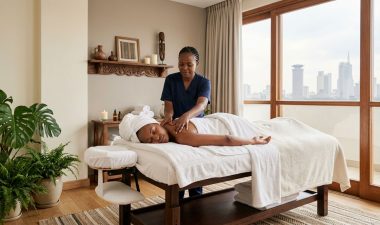
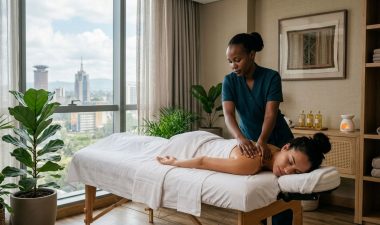
Next comes privacy. The therapist should leave the room while you undress. Most people keep underwear on, and that’s normal. You’ll lie on the table under a sheet or towel, then the therapist returns after knocking.
Draping matters because it signals professionalism. Only the area being worked on should be uncovered, and private areas stay covered at all times. If anything feels off, trust that feeling and stop the session.
Once the massage starts, speak up early instead of “toughing it out.” You can say things like:
- “A bit lighter, please.”
- “That spot is sharp pain, can you ease up?”
- “More pressure on the shoulders, less on the lower back.”
- “Please avoid my left knee.”
Think of it like adjusting the volume on music. Small tweaks make the whole session better.
After the massage, take a minute before you jump up. Drink water because bodywork can leave you feeling a little dry or light-headed. If you can, keep your evening calm too. Light stretching and an early night often help the results last longer. Some tenderness is normal after deep work, but sharp pain is not.
Here’s a quick do-and-don’t list to make the session smoother:
- Bring: Cash or M-Pesa option, a hair tie, and water for after.
- Avoid: A heavy meal right before, strong perfume (it can clash with oils), and intense workouts immediately after.
If you want pain relief, the best results come from clear feedback during the massage, not silent suffering.
How to pick the right place in Nairobi without guessing
Start with your goal, because “massage” can mean very different things. If you want to calm your mind and sleep better, a relaxation-focused session is usually enough. If you want to work out recurring tightness (like desk shoulders or a stiff lower back), you’ll need a therapist who understands anatomy and pacing.
Use this simple decision guide when comparing options:
- Your goal: Relaxation, sports recovery, or pain relief? Match the style and the therapist, not just the price.
- Therapist training and experience: Ask what styles they practice most. A confident therapist can explain their approach in plain language.
- Clean room and linens: Fresh sheets, clean floors, and a tidy treatment area are non-negotiable. The room should smell clean, not masked by heavy fragrance.
- Clear pricing: A professional place tells you the cost upfront, including add-ons.
- Real reviews: Look for comments that mention pressure, hygiene, and communication, not just “nice place.” Consistent notes about cleanliness and respectful draping are a good sign.
Also pay attention to how you’re treated before you arrive. If communication feels rushed or confusing, the session may feel the same.
Watch for these red flags:
- Unclear fees (prices only shared after the session, or vague “starting from” with no details)
- Pushy upsells (pressure to add extras you did not ask for)
- Poor communication (they won’t answer basic questions, or they dodge your boundaries)
- Dirty space (stained linens, oily smell, cluttered room, or no visible hygiene habits)
A good spa or therapist should make it easy to ask questions. You’re not being difficult, you’re protecting your body and your money.
How long should you book, 60 minutes vs 90 minutes vs 2 hours
Duration is less about “more is better” and more about how much work you need. Time sets the pace. With too little time, the therapist rushes. With too much time, you might feel tender, especially if you’re new to massage.
60 minutes fits best when you need a clean reset. It’s ideal for a full-body relaxation massage, or a focused session on one or two zones (like neck and shoulders). If you’re stressed, sleep-deprived, or trying massage for the first time, 60 minutes is a safe starting point.
90 minutes is the sweet spot for many people. It gives enough time for full-body work plus extra attention on problem areas. For example, you can get a thorough back and legs massage, then still spend quality time on tight shoulders or a sore hip. It also helps if you like medium-to-firm pressure because the therapist can work slowly instead of forcing depth.
2 hours works when you want a slower pace and deeper work across several areas. It’s helpful for people with multiple tight zones, long-term stiffness, or athletes managing heavy training loads. Still, longer sessions can feel intense if your body is sensitive, or if you are doing deep tissue for the first time. In that case, book 60 or 90 minutes first, then adjust next time.
A quick rule: if you want relaxation, go shorter. If you want change in stubborn muscles, go longer, but keep the pressure sensible.
Pricing in Nairobi, what you are paying for and how to avoid hidden charges
Massage prices in Nairobi range from budget neighborhood studios to premium hotel spas. As a rough guide, many places charge around KES 2,000 to 4,000 for a budget 60-minute session, KES 4,000 to 6,000 for mid-range, and KES 8,000 to 12,000+ for premium. For 90 minutes, you’ll often see KES 3,000 to 5,500 (budget), KES 5,500 to 8,000 (mid-range), and KES 10,000 to 15,000+ (premium).
Those differences usually come down to a few practical drivers:
- Location and setting: Hotel and high-end areas cost more.
- Therapist experience: Skilled deep tissue and sports therapists often charge higher rates.
- Room quality and privacy: Better tables, sound control, showers, and a calmer space raise costs.
- Oils and add-ons: Hot stones, special oils, scrubs, or reflexology commonly add KES 1,000 to 3,000.
- Peak hours: Evenings and weekends can cost more in some places.
To avoid hidden charges, ask these questions before you book: “What is the full price for my chosen duration?” and “Does that include any add-ons, taxes, or service fees?” If you’re booking a mobile massage, confirm the transport fee upfront and whether it changes by neighborhood. Tips vary by place and aren’t always expected, so it’s fine to ask, “Do you accept tips, or is service already included?”
Popular massage styles in Nairobi and who each one is best for
Most people booking a Massage Nairobi session want one of two things: to switch off (stress relief and better sleep), or to fix a problem area (knots, back pain, tight hips). The good news is that Nairobi spas commonly offer a small set of styles that cover almost every need, and many therapists can blend techniques once they understand your goal.
Use the sections below like a matchmaker. Pick the style that fits your body today, not the one that sounds most intense.
Swedish and relaxation massage for stress, sleep, and gentle muscle relief
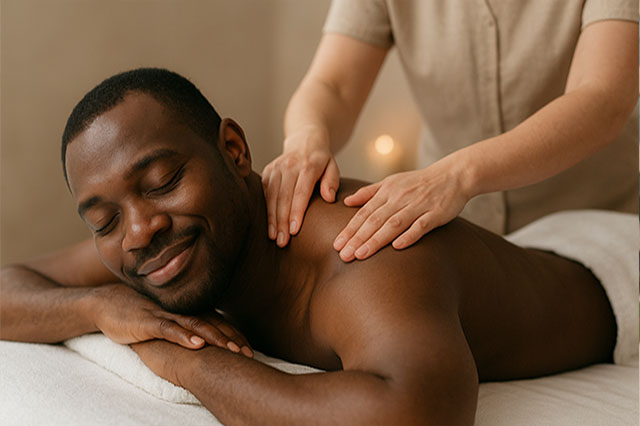
Swedish (often called relaxation massage) uses light to medium pressure and long, smooth strokes. Think of it like ironing out wrinkles in a shirt, steady movements that warm the muscles, improve circulation, and calm your nervous system. Because the pace is usually slow and rhythmic, many people feel their breathing drop, their jaw unclench, and their mind stop racing.
It’s a great choice if you:
- Feel tense from work, traffic, or family stress
- Struggle to fall asleep, or you wake up still tired
- Want gentle help for everyday tightness (neck, shoulders, calves) without pain
First-timer note: Swedish is often the easiest starting point because it helps you learn what pressure you like. Also, it gives you a clear “normal” baseline, so later you can decide if you want deeper work.
Here’s a quick “tell your therapist” script you can copy and paste on WhatsApp or say at the start:
- “I’d like light-medium pressure today, relaxing but still effective.”
- “Please focus more on my neck and shoulders and less on my lower back.”
- “Kindly avoid my (right knee / left shoulder / any area that’s injured or sore).”
- “If I say ‘lighter’ or ‘pause,’ please adjust immediately.”
Swedish should feel soothing. If you’re holding your breath, the pressure is probably too much.
Deep tissue massage for stubborn knots and ongoing pain
Deep tissue is for the days when your muscles feel like they’ve tied themselves into rope. The therapist uses slow, firm pressure to work through deeper layers, often holding a spot for longer to release stubborn tension. It’s not about “hard” massage, it’s about controlled depth and patience.
Common target areas in Nairobi clients include:
- Neck and shoulders (desk posture, phone hunch, stress)
- Lower back (long sitting, lifting, driving)
- Hips and glutes (tight hip flexors, gym training, running)
- Upper back (rounded shoulders, tension headaches)
Expectations matter here. A good deep tissue massage can feel intense, but it should still feel like productive pressure, not punishment.
Normal soreness vs warning pain
- Normal: “good hurt,” pressure you can breathe through, mild tenderness for 24 to 48 hours, feeling looser after a warm shower.
- Warning: sharp or shooting pain, tingling or numbness, pain that makes you tense up hard, bruised feeling that worsens fast.
Aftercare keeps the benefits longer, especially if you sit all day:
- Drink water, then take an easy walk later to keep tissues warm.
- Use a warm shower or heat pack on tight areas that evening.
- Skip heavy lifting or intense workouts for the rest of the day if you feel tender.
When to avoid deep tissue (or reschedule): if you have a fever, flu-like symptoms, or a fresh injury (new sprain, strain, swelling). Also pause if you recently had surgery unless a clinician cleared massage.
Hot stone and hot oil massage for deep comfort and better circulation
Hot stone and hot oil styles use warmth to relax the body fast. Heated stones (or warm oil) help muscles soften earlier in the session, so the therapist doesn’t need to push as hard to get results. Many people describe it as their shoulders “melting,” especially after a cold day or an exhausting week.
This style is a favorite for:
- People who feel cold easily (cold feet, chilly treatment rooms, rainy season blues)
- Tight muscles that resist deep pressure
- Anyone who wants comfort plus body calm, without soreness after
Heat safety is simple, but important. Always speak up early if something feels too hot, because heat can build quickly.
A clear line that works: “That heat is a bit much, please reduce it.” A professional therapist will adjust immediately, either by adding a towel layer, changing stones, or lowering oil warmth.
Hot stone often feels different from deep tissue. Deep tissue can feel targeted and intense on a specific knot. Hot stone tends to feel wide and flowing, with warmth doing part of the work. If you want deep relief but hate “painful” pressure, heat-based options can be the sweet spot.
Aromatherapy and herbal massage for mood and full body reset
Aromatherapy massage blends massage strokes with essential oils chosen for how you want to feel. Some oils feel calming, others feel fresh and energizing. You’ll usually smell the oil first, then the therapist blends it into a carrier oil before applying it to the skin.
Common scent directions people choose:
- Calming: lavender-style scents for winding down
- Fresh and clean: citrus or light mint for a “reset” feeling
- Grounding: woody scents if you feel mentally scattered
Herbal massage may use herbal oils, compresses, or plant-based balms. In Nairobi, herbal treatments are especially popular right now because many clients want natural-smelling options and a “whole-body” wellness feel, not just muscle work. It’s also a nice fit if you want your session to feel like stress relief plus self-care.
A quick caution: essential oils and herbs can irritate sensitive skin.
- If you have allergies, asthma, migraines triggered by scent, or eczema, say so before the session.
- Ask for a patch test on the inner arm, or request unscented oil.
- If you’re pregnant, confirm which oils are safe, or keep it fragrance-free.
If your week has been emotionally heavy, aromatherapy can feel like opening a window in a stuffy room. Your muscles relax, and your mood often follows.
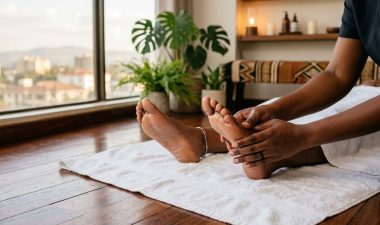
Foot and leg massages for travel fatigue, long commutes, and standing jobs
Feet and calves take a beating in Nairobi. You might walk more than you think, stand for long shifts, or sit in traffic with your legs locked in one position. Add tight shoes, stairs, and uneven walking surfaces, and it’s easy to end up with heavy legs and sore arches.
A focused foot and leg session usually works on:
- Feet and arches to ease pressure from walking or standing
- Calves to reduce tightness and cramping
- Ankles to improve comfort and mobility
- Sometimes reflexology points if the therapist includes them
It can help you feel lighter and steadier on your feet, especially if you commute daily or work a standing job (security, retail, hospitality, healthcare). Also, if you sit at a desk all day, releasing calves can reduce that “stiff lower body” feeling when you finally stand up.
Be cautious if you have:
- Diabetes with neuropathy (reduced sensation means you may not feel excessive pressure)
- Foot wounds, skin infections, or swelling with unknown cause
- Recent fractures or severe varicose vein pain (ask a clinician first)
A simple at-home tip between appointments: after a shower, use a little lotion or oil and spend 2 minutes per foot. Press your thumb slowly along the arch, then squeeze the calf from ankle upward. Finish by raising your legs on a pillow for 10 minutes if they feel heavy.
Where to get a massage in Nairobi, spa, hotel, or mobile, and how to stay safe
In Nairobi, you can book a massage in three main places: a day spa, a hotel spa, or as a mobile massage that comes to you. Each option can feel amazing when it’s run well. The difference is how predictable the experience is, how private it feels, and what you can do if something seems off.
If you want the simplest rule, pick the setting that matches your comfort level first. Then confirm cleanliness, clear pricing, and professional boundaries before you commit. That’s how you enjoy your Massage Nairobi session without stress.
Spa vs hotel spa vs mobile massage, what changes and what stays the same
All three options should deliver the basics: a clean room, a trained therapist, proper draping, and a clear plan for pressure and focus areas. What changes is the environment around that massage, plus how easy it is to verify standards.
Here’s a quick side by side view to help you decide.
| Option | Convenience | Vibe | Facilities (steam, sauna, pool) | Consistency |
|---|---|---|---|---|
| Day spa | Easy to book, easy to repeat | Calm, wellness-focused, usually quiet | Sometimes has extras, many do not | Often consistent if staff is stable |
| Hotel spa | Best if you’re already at the hotel | Polished, private, higher-end feel | More likely to include sauna, steam, or pool access | Usually the most consistent |
| Mobile massage | You don’t travel, they come to you | Familiar and private (your space) | None, unless your building has them | Varies a lot by therapist |
Day spa: This is the everyday choice for many Nairobi locals. It’s often the best balance of price and quality, especially if you find a therapist you like and rebook the same person. The vibe tends to be simple and relaxing, with fewer “extras” like pools, but you can still get excellent bodywork.
Hotel spa: This suits you if you want a controlled, predictable experience. Hotel spas often run on strict service standards, and they usually have better changing areas, showers, and a calmer waiting space. In addition, some hotels offer steam, sauna, or pool access, which can make a 60-minute massage feel like a half-day reset.
Mobile massage: This wins on convenience. No traffic, no parking, no rushing. It’s also great if you prefer your own shower and your own music after. Still, mobile requires extra checks because you’re inviting someone into your space, or meeting them in a private location.
If you’re booking mobile, confirm these points upfront:
- Identity and proof of training: Ask for the therapist’s full name and a clear way to verify them (ID on arrival, certificate photo, or business profile).
- Reviews that sound real: Look for feedback that mentions hygiene, draping, and professionalism, not just “nice.”
- Clear pricing in writing: Ask for the total cost, duration, transport fee, and any add-ons, all before they arrive.
- A safe location: Choose a reputable hotel, a well-run apartment with security, or your home when someone else is around.
Mobile can feel like room service for your body. Treat the booking with the same care you’d use when hiring any in-home service.
Cleanliness and hygiene, quick checks you can do in two minutes
Hygiene is not a “nice to have.” It protects you and it protects the therapist. The good news is you can spot most hygiene standards fast, even before the massage begins.
Use this quick scan when you walk in (or when a mobile therapist sets up). You don’t need to be harsh, you just need to be observant.
- Fresh linens: Sheets and towels should look clean, smell clean, and feel crisp. Stains and damp fabric are a no.
- Hand washing: A professional therapist washes hands before starting, or uses sanitizer in front of you.
- Clean oils and containers: Oils should come from clean bottles, not mystery jars. If they mix oils, it should look tidy and intentional.
- Tidy room and table: The floor, trolley, and headrest area should be neat. Clutter often signals rushed cleaning.
- Therapist appearance: Clean uniform or neat clothes, short clean nails, and a calm professional manner.
- The way the room smells: It should smell fresh or lightly scented. Heavy fragrance can hide sweat, damp towels, or stale air.
If something looks wrong, don’t argue with yourself. You can simply say, “I’m not comfortable with the hygiene today, let’s reschedule.” Then leave. A legit business will respect that, because good standards are part of the job.
A practical tip if you have sensitive skin: ask for unscented oil or request a small test dab on your inner arm. It’s a simple step that can save you a bad rash later.
Professional boundaries, consent, and comfort, how to speak up politely
A real massage is professional bodywork. That means clear consent, proper draping, and respect for your privacy. You should feel safe from the first message to the last minute of the session.
Before the massage starts, set expectations in plain language. You don’t need a long speech. Short and clear works best.
Here are scripts you can use, word for word:
- Areas to avoid: “Please avoid my chest and abdomen, and don’t work on my lower back today.”
- Pressure control: “Start medium pressure, then I’ll guide you if I want it firmer.”
- Conversation level: “I’d like a quiet session today, thank you.”
- Oil and scent: “Please use light, unscented oil if you have it.”
- Injury note: “My right knee is sensitive, please don’t bend it or press on it.”
During the session, speak up early. Waiting makes it harder to fix. Try these:
- “That’s a bit sharp, please ease up.”
- “Pause for a second, then continue lighter.”
- “Can you spend more time on my shoulders and less on my calves?”
If something feels wrong, you can end the session. You don’t need to prove anything. Keep it simple:
- Name it: “I’m not comfortable, I need to stop now.”
- Get space: “Please step outside while I get dressed.”
- Leave safely: Pay only what was agreed (if appropriate), then go.
For mobile massage, safety is also about your setup. If you can, do the session when a friend, partner, or roommate is at home, or choose a hotel with reception and security. In addition, avoid sharing too much personal info in chat. You only need to share what helps the massage (injuries, pressure, allergies).
Next time, choose a safer option by filtering for signals of professionalism:
- They answer questions clearly.
- They explain draping and boundaries without acting annoyed.
- They confirm price and location upfront.
- They accept “no” without pushing.
How often should you get a massage in Nairobi for real results
One great massage feels good. A simple routine is what creates real change, especially if you sit a lot, train hard, or carry stress in your neck and shoulders.
Use your goal to pick a frequency that fits your budget and your body.
For stress management and better sleep
- Aim for every 2 to 4 weeks.
- If work is intense, start with twice a month, then drop to monthly.
- Choose Swedish, aromatherapy, or hot stone if you want calm without soreness.
For gym recovery and sports soreness
- Aim for weekly, or every 1 to 2 weeks during heavy training blocks.
- Deep tissue can help, but keep pressure controlled so you recover faster, not slower.
- Book 60 minutes for targeted work (legs, back, shoulders), then adjust if you need more time.
For chronic tightness (desk shoulders, stiff hips, recurring knots)
- Start with once a week for 2 to 4 sessions, then move to every 2 to 4 weeks.
- Consistency matters more than intensity. A steady plan beats one brutal session.
- If pain is sharp, new, or worsening, get medical advice before you keep booking.
Even once a month helps, especially when you pair it with basic aftercare. Think of massage like servicing a car. The session helps, but daily habits keep the engine smooth.
To make results last longer, keep it simple:
- Drink water after, because dehydration can worsen soreness.
- Do light stretching that evening, especially neck, chest, hips, and calves.
- Prioritize sleep, since your body repairs tissues at night.
If you want a straightforward plan, start monthly, then go more often only if your body clearly benefits. That approach keeps Massage Nairobi both effective and sustainable.
Massage Nairobi at Splendid Massage and SPA in South B, what you can book and how to plan your visit
If you want a reliable Massage Nairobi option that’s easy to reach and simple to plan, South B is a practical choice. It’s a spot that works for quick weekday resets and longer weekend sessions, depending on your schedule and availability.
Splendid Massage and SPA in South B (Sadi Road) is the type of place people choose when they want to feel better fast, without turning it into a whole project. The key is knowing what to book, what to say before you arrive, and how to set yourself up for a session that actually matches your body.
Who this South B spa visit is great for, commuters, couples, and anyone needing a reset
Some weeks hit like a heavy backpack you forgot to take off. If you’ve been stuck in traffic daily, hunched over a laptop, or running on short sleep, a massage can help your body loosen its grip.
Common reasons people book a Massage Nairobi session in South B include:
- After a long week: You feel tense everywhere, especially shoulders and jaw. You want calm more than pain-focused work.
- Travel fatigue: A flight, a long drive, or even back-to-back meetings can leave you stiff and swollen in the legs.
- Desk neck pain: That forward head posture creeps up, then one day you can’t turn your head without wincing.
- Gym soreness: Leg day, runs, or a new program can tighten calves, glutes, and lower back for days.
It’s also a solid option if you like to keep plans simple. South B can work well for commuters who want a session on the way home, or for people who live nearby and want something consistent.
Couples book massages too. Sometimes you want a shared reset, other times you just want to be in the same place while each of you gets your own session. In addition, both men and women book massages here, for stress, pain, recovery, or just because it feels good to breathe again.
Time-wise, this kind of visit can fit different rhythms:
- A lunch break session if you book a shorter duration and your day allows it.
- A weekend plan if you want a slower, more complete reset (but weekends often fill up).
A good massage isn’t about tolerating pressure. It’s about the right pressure, in the right places, at the right pace.
Signature experiences people talk about, herbal massage, relaxing body massage, and trekker’s foot massage
When people share feedback about massages, they rarely talk about technique names. They talk about how they felt walking out. Based on recent guest themes, a few experiences get mentioned often, as examples of what visitors report (not guarantees for everyone).
Herbal massage (the scent and the calm)
Guests often mention that the herbs smell amazing, and that the scent adds to the overall release. In other words, it’s not only muscle work, it’s also the feeling of your mind slowing down. Some people say they leave deeply relaxed and want to return.
Relaxing body massage (the “lighter” feeling)
A classic relaxing body massage comes up as a favorite for stress relief. Visitors describe feeling light, calm, and “good for the rest of the day.” That’s usually what happens when the session hits the sweet spot: enough pressure to ease tension, but not so much that you feel bruised later.
Trekker’s foot massage (tired legs that finally switch off)
For anyone walking a lot, standing for work, or coming from hikes, foot and leg work can feel like a reset button. Guests who book trekker’s foot massage mention tired legs feeling rejuvenated and sore muscles easing up after targeted work.
Friendly staff and pressure-point awareness
Another repeated theme is the human side: guests mention friendly staff and therapists who seem to understand pressure points. That matters because even a simple Massage Nairobi session improves when your therapist listens, checks in, and adjusts pressure without making you repeat yourself.
If you’re choosing between these experiences, match the booking to your real need today. Stress and poor sleep usually respond well to relaxing or herbal sessions. Heavy legs and foot pain respond best to focused leg and foot work.
How to book, what to ask before you arrive, and how to get the best session
A smooth session starts before you arrive. Booking is easier when you’re clear about the basics, because it reduces back-and-forth and helps the spa match you with the right therapist and time slot.
Before you confirm, ask a few simple questions. You’re not being fussy, you’re making sure your Massage Nairobi session meets your needs.
Here are practical questions to send on WhatsApp or ask on the phone:
- Duration: “Do you have 60 or 90 minutes available today?”
- Total price: “What’s the full cost for that duration, including any add-ons?”
- Therapist preference: “Can I request a male or female therapist (if available)?”
- Add-ons: “Do you offer hot stones, hot oil, or aromatherapy, and what’s the extra cost?”
- Arrival time: “How early should I arrive before the session starts?”
Once your slot is booked, a simple pre-session checklist helps you avoid common mistakes that ruin an otherwise good massage.
A quick pre-session checklist that works for most people:
- Eat light 1 to 2 hours before, so you’re comfortable on the table.
- Hydrate early, then sip water after, not right before you lie down.
- Know your focus areas (for example neck, lower back, calves), so you can explain them in one sentence.
- Mention injuries and sensitivities upfront, including recent sprains, nerve pain, or skin reactions to oils.
- Dress for ease, especially if you’ll change quickly (simple clothes, easy shoes).
- Plan your post-massage time, even if it’s only 20 quiet minutes.
If you want the best session, give feedback early. Pressure is like volume. Adjust it at the start, not at minute 50. A helpful script is: “Medium pressure, please. Spend extra time on shoulders and calves, and avoid sharp pain areas.”
Planning your visit, timing, privacy, and aftercare for long lasting results
Timing affects everything, from traffic to therapist availability. If you can choose, book at a time when you can arrive unhurried and leave without rushing back into chaos.
A few planning tips that save stress:
- Weekends fill up faster, so booking earlier helps if Saturday is your only free day.
- If you’re coming after work, allow a buffer for Nairobi traffic. Being late often shortens your session.
- Plan transport with your comfort in mind. After a deep or foot-focused massage, you may prefer a calm ride home instead of a long, crowded commute.
Privacy is part of what makes a massage feel safe and professional. On arrival, you should expect a clear check-in, a short consult, and proper draping. If you have boundaries (areas to avoid, quiet session, no strong scents), say it before the therapist starts.
Aftercare is where many people lose the benefits. Your body is more open after massage, like warm clay. What you do next shapes how long the relief lasts.
For longer-lasting results, keep the next few hours simple:
- Drink water, then have a light meal when you’re hungry.
- Take a warm shower if you feel tender, especially after firm pressure.
- Avoid a hard workout for a few hours, because muscles can be more sensitive right after deep work.
- Choose a calm evening if you can, because good sleep often locks in the benefits.
Finally, treat your next booking like a continuation, not a reset from scratch. Make a quick note in your phone right after the session:
- What pressure felt best (light, medium, firm)
- Which areas needed more time
- What you want less of next time (too much oil, too much foot work, too chatty)
That one-minute note can turn your next Massage Nairobi visit into a session that feels made for you.
Conclusion
A great Massage Nairobi experience starts with a simple decision: what do you want today, calm, recovery, or pain relief? Once your goal is clear, pick a style that fits it (Swedish for stress, deep tissue for knots, hot stone or hot oil for comfort, foot work for heavy legs). Then choose a duration that matches your body, 60 minutes for a reset, 90 minutes for full-body plus problem areas, and 2 hours only if you know you handle longer sessions well.
Next, match the setting to your comfort level, day spa, hotel spa, or mobile, and don’t compromise on hygiene. Clean linens, clean hands, and a tidy room aren’t extras, they’re the baseline. Just as important, set boundaries upfront. Say what hurts, name the pressure you want, and list any no-go areas. Good therapists respect clear direction, and your session feels better because of it.
Before you book, write a quick plan in one line: “Neck and shoulders, medium pressure, 60 minutes, quiet session.” Afterward, jot down what worked (pressure, focus areas, and anything you’d change). Book the next session that matches your needs, and keep those notes, because each visit should feel more personal and more effective than the last.