Nairobi can wear you down fast. Traffic, long screen time, and back-to-back plans can leave your neck tight and your mind buzzing, even if you’re sleeping enough. That’s why Massage in Nairobi isn’t just a treat, it’s often the simplest way to reset, ease pain, and feel like yourself again.
Still, picking the right place can feel confusing. Options range from luxury hotel spas to neighborhood studios, plus mobile therapists who come to your home or hotel. Prices, privacy, and skill can vary a lot, so a quick search doesn’t always tell you what you’re walking into.
This guide keeps it practical. You’ll learn the most common massage styles you’ll see around town (like Swedish, deep tissue, hot stone, sports, reflexology, and lymphatic drainage), what each one is best for, and how to choose based on your body, not hype. You’ll also get a clear sense of what a real session looks like, from the intake chat to how you’ll be draped, what to wear, and what aftercare actually helps.
Cost matters too, so we’ll cover typical Nairobi price ranges and what usually changes the bill (time, location, add-ons, and hotel spa markups). Just as important, we’ll go through simple safety and comfort checks: how to spot a professional setup, what to tell your therapist before they start, and when you should skip massage altogether.
By the end, you’ll be able to book with confidence, whether you want pure relaxation after a stressful week, or firm work on sore muscles after the gym.
Massage in Nairobi, what you can get and who it is best for
Massage in Nairobi comes in a few familiar styles, but the feel can be very different from one treatment to the next. One session can be soft and sleepy, another can be slow and intense, and a third can use heat to help tight areas let go. So before you book, match the style to your goal, not the fanciest name on the menu.
As a quick guide, think in terms of outcomes: relaxation and better sleep, pain relief from tight muscles, sports recovery, or a full-body reset when your mind feels crowded. The right choice should leave you calmer, looser, and more comfortable in your body, not battered.
A good massage feels like “strong but safe.” You should be able to breathe normally and relax your jaw.
Swedish and relaxing massage for stress, sleep, and first timers
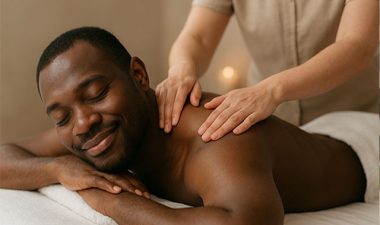
If you want to switch off your brain and soften that “always on” feeling, Swedish (often called relaxing massage) is usually the easiest entry point. Expect light to medium pressure, long gliding strokes, and a steady rhythm that calms the nervous system. Many people describe it like being rocked to sleep, because the pace is smooth and predictable.
This style works well when your tension is more “overall tight” than “one sharp knot.” For example, you sit in traffic all week, your shoulders creep up, and you start breathing a little shallow without noticing. Swedish helps your body downshift, which is why many people book it for stress and sleep, especially if they feel wired at night.
It’s a smart pick if you relate to any of these:
- First-timers who want a gentle, confidence-building session.
- Anxious or stressed clients who prefer soothing touch.
- People with poor sleep or a restless mind at bedtime.
- Anyone who wants to feel good without heavy pressure.
To get the best result, speak up early about pressure. A simple scale helps: “Let’s start at a 4 out of 10.” Then adjust: “Can you go slightly lighter on my calves?” or “A bit more pressure on my upper back.” You’re not being difficult, you’re directing the session.
Oil choice matters too. Scent can be comforting, but it can also distract you.
- If you love fragrance, ask for lavender or eucalyptus style blends (common in Nairobi spas) for a more spa-like feel.
- If you get headaches easily, request unscented oil or very light scent, especially for neck and scalp work.
A relaxing massage should leave you feeling clearer, like someone lowered the volume on your day.
Deep tissue massage for stubborn knots and back or shoulder tightness
Deep tissue is for the days when your body feels like it’s holding a grudge. The pressure is firmer, the pace is slower, and the therapist spends more time on specific areas, instead of sweeping across the whole body. It targets deeper muscle layers that often tighten from long sitting, gym training, or stress that you carry in one place.
This is the classic option for:
- Neck tight from laptop work or scrolling.
- Shoulder and upper-back tension from driving or desk posture.
- Lower-back stiffness after long commutes.
- Legs sore after running or a hard gym session (sports recovery overlap).
Still, deep tissue should never feel like punishment. Strong pressure is normal. A “good hurt” that stays dull and manageable can happen, especially on tight spots. What isn’t normal is sharp, stabbing, burning, or electric pain, or numbness that spreads. If that happens, say so right away and ask the therapist to reduce pressure or change the angle.
A few ways to communicate clearly, without stopping the flow:
- “That’s too sharp, please ease up.”
- “Stay in the same area, but use less pressure.”
- “Can you work around the knot first, then come back to it?”
Aftercare matters more with deep tissue, because your muscles have been challenged. Plan for a calm evening if you can. Also expect your body to react like it would after a tough workout.
Here’s what helps most:
- Drink water after your session, especially if you feel thirsty or warm.
- Do light stretching later, not aggressive mobility work.
- Keep movement gentle, a short walk is perfect.
- Expect mild soreness the next day in worked areas, especially if you don’t get massage often.
If you leave deep tissue feeling “looser but tender,” that’s common. If you leave feeling injured, the pressure was wrong.
Hot stone and hot oil options when your muscles feel locked up
When your body feels stiff and guarded, heat can help faster than pressure alone. Hot stone massage uses warmed stones placed and glided over muscles, while hot oil massage uses comfortably warm oil to create a smooth, melting feel. In both cases, heat encourages muscles to relax, so the therapist can work without forcing anything.
Hot stone is often chosen when you want deep comfort but not deep pressure. The warmth sinks in slowly, especially across the back, shoulders, and legs. Many people feel their breathing deepen within minutes, because their body stops bracing. Hot oil gives a similar “softening” effect, plus extra glide, which can feel great if your skin gets dry or you dislike the drag of a dry massage.
These heat-based options are popular with:
- People who feel cold easily, especially in air-conditioned rooms.
- Clients who feel tense all over, not just one knot.
- Anyone with stiffness after travel, long sitting, or stress.
- People who want relaxation but still want muscles to loosen.
The main safety rule is simple: heat should feel soothing, never painful. A professional therapist will test the temperature and keep checking in. Still, your feedback matters. If a stone feels too hot, say it right away. If warm oil feels uncomfortable on one area, ask to cool it down or switch to room temperature.
Good phrases to use:
- “That’s a bit hot, can you reduce the heat?”
- “Please keep the stones moving, don’t leave them in one spot.”
- “Let’s skip heat on my neck, it feels sensitive today.”
Heat is like sun on a chilly morning, it helps your body unclench without a fight. If you tend to hold tension defensively, hot stone or hot oil can be the easiest path to relief.
Aromatherapy, Balinese style, and reflexology for a full body reset
Some massages feel less like “fix my back” and more like “reset my whole system.” That’s where aromatherapy, Balinese-style massage, and reflexology come in. They each focus on relaxation, but they do it in different ways.
Aromatherapy massage pairs a relaxing massage style with scented essential oils. The touch is usually medium pressure and flowing, while the aroma creates an added calming cue. Choose it when your stress feels mental, like you can’t stop thinking, even on weekends. It can also be a nice pick for couples or anyone who wants the session to feel more like a spa ritual than a standard massage.
Because scent is personal, keep it simple:
- If you’re scent-sensitive, request unscented oil or a very mild blend.
- If you have allergies or asthma triggers, mention them before the session.
- Ask the therapist to avoid heavy oils near your face if you get headaches.
Balinese-style massage is a full-body approach that often blends long strokes, kneading, and firmer work in areas that hold stress. Many Nairobi spas describe it as a “signature” or “blend” massage because it mixes techniques. It feels grounding, with a steady flow that moves from one body area to the next. Pick it when you want more than Swedish, but you don’t want deep tissue intensity the whole time.
Balinese is a strong option if:
- Your body feels tired and heavy, not just sore.
- You want relaxation plus muscle work, especially through back and legs.
- You’ve had a stressful month and need a full-body reboot.
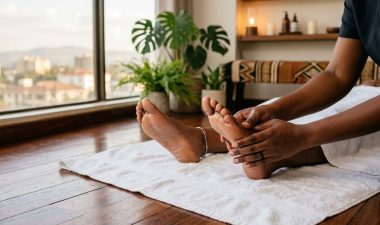
Reflexology focuses on pressure points on the feet (and sometimes hands). Even though the work is local, the effect can feel whole-body relaxing. That’s because many people hold a lot of tension in their feet without noticing until someone starts working there. It’s a great choice if you sit or stand all day, or if your feet ache after walking around Nairobi.
Reflexology is also useful when you want a shorter session that still feels meaningful. You can walk in feeling restless, then leave feeling quieter, like your body finally exhaled.
If you’re unsure which “reset” style to choose, use this simple rule: aromatherapy for mind stress, Balinese for mind plus body, reflexology for tired feet and quick calm.
How to choose a great place for a massage in Nairobi (and avoid a bad one)
When you book a Massage in Nairobi, you’re not just paying for technique. You’re paying for feeling safe, clean, respected, and cared for. The problem is that two places can look similar online, then feel totally different in real life.
A good choice comes down to basics: what you need, how much time you have, what your budget can handle, and how much privacy you want. Nairobi adds a few extra factors too, like traffic, parking, and security, especially if you’re going out in the evening or booking on a busy March weekend.
Start with your goal, then pick the setting that fits your mood and budget
First, get clear on the result you want. Relaxation? Pain relief? Sports recovery? If you don’t decide upfront, you’ll end up choosing based on photos and promises, and that’s where disappointment starts.
Here’s how the most common Nairobi options usually compare:
| Setting | Best for | Typical trade-offs |
|---|---|---|
| Hotel spas | Consistent service, calm environment, strong privacy | Higher prices, time spent in traffic if you’re crossing town |
| Wellness spas | Balanced pricing, trained therapists, spa-like comfort | Can book out fast on weekends, especially in March |
| Neighborhood studios | Convenience, quick appointments, closer to home | Quality varies more, you need to vet hygiene and skill |
| Home or mobile massage | Maximum convenience and privacy | Extra checks needed (identity, professionalism, setup, safety) |
Your setting should match your day. For example, if you’re coming from a packed schedule and want quiet, a hotel spa or established wellness spa makes sense. On the other hand, if you just need your neck and shoulders worked on near home, a solid neighborhood studio can be perfect, as long as it’s clean and professional.
Use this quick pre-book checklist before you even compare options:
- Goal: Relax, reduce pain, or recover from training?
- Time: Do you realistically have travel time, plus 10 to 15 minutes buffer?
- Budget: What range feels comfortable, without bargaining mid-session?
- Privacy level: Do you prefer a full spa environment, or a simple private room?
Also, be honest about Nairobi logistics. If it’s 5 pm and you’re thinking of going from South B to Westlands, the massage might be great, but the commute can undo the calm. Sometimes the best massage is the one you can reach without stress.
If you’re tense from the day, choose a place that’s easy to get to and easy to park. Your nervous system notices the journey.
Cleanliness, privacy, and professionalism, the non negotiables
A massage can’t feel relaxing if you’re worried about hygiene or boundaries. The good news is that a professional setup has clear, easy-to-spot signals, even before the therapist starts.
A clean, professional place usually looks and feels like this:
- Fresh linens for every client, not just a quick re-fold.
- A clean room with no stale smells, dusty corners, or oily residue.
- Hand washing or sanitizer before the massage begins.
- A proper massage table (or at least a firm surface), plus a face cradle or comfortable head support.
- Clear rules and respectful communication, including how long the session is and what it includes.
- Privacy that’s real, like a closed door, no random walk-ins, and no staff chatter outside.
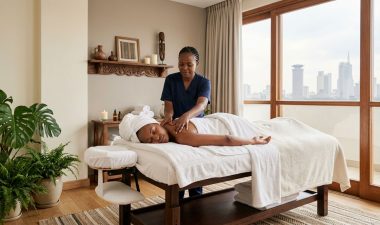
Professionalism also shows up in small moments. The therapist should explain what to do with your clothes (based on the type of massage), then leave the room so you can get settled. They should use draping (covering you with a sheet or towel) to protect your privacy throughout the session.
Consent is simple, and it should be normal:
- The therapist explains draping and checks that you’re comfortable.
- They ask about pressure early, then check again when working on tight areas.
- You can say “stop” or “change pressure” at any time, and they should adjust without attitude.
- They avoid pushy talk that makes you feel cornered.
Trust your instincts. If a place feels chaotic, dirty, or dismissive, walk away. A legitimate business would rather reschedule you than pressure you.
Questions to ask before you book so there are no surprises
A two-minute call can save you an awkward hour. You’re not being difficult, you’re setting expectations. Places that operate professionally answer clearly and don’t rush you off the phone.
Here are script-style questions you can use as-is:
- Price and duration: “How much is a 60-minute full-body massage, and is that the total price?”
- Therapist qualifications: “Are your therapists trained or certified, and how long have they been practicing?”
- What’s included: “Is it full-body, and does it include back, neck, and scalp, or is that extra?”
- Privacy and setup: “Do you have private rooms, and how do you handle draping?”
- Shower availability: “Do you have a shower, and is it available before or after the session?”
- Cancellation policy: “How far in advance do I need to reschedule without a fee?”
- Payment methods: “Do you accept M-Pesa and cards, or cash only?”
- Parking and security: “Is there secure parking nearby, and what’s the easiest entrance to use?”
- Therapist preference: “Can I request a male or female therapist when booking?”
After that, do a quick review check. Focus on recent feedback, not just old five-star ratings. Look for comments about cleanliness, pressure, professionalism, and whether the place matches the photos. If anything feels unclear, call again and confirm, because misunderstandings usually happen around time, add-ons, and what “full-body” means.
Price ranges in Nairobi and what usually changes the cost
In Nairobi, a 60-minute massage can be affordable or premium, depending on where you book and what’s included. Based on current market listings and menus, a realistic range for a 60-minute session is often KSh 1,500 to KSh 10,500.
As a general guide:
- Neighborhood studios: about KSh 1,500 to KSh 4,000 for 60 minutes.
- Wellness spas: about KSh 3,000 to KSh 7,000 for 60 minutes.
- Hotel spas: about KSh 7,000 to KSh 10,500 for 60 minutes (and sometimes more for specialty treatments).
- Mobile or home massage: often KSh 4,000 to KSh 10,000, depending on travel distance and setup.
So what changes the price, even for the same “60 minutes”?
- Location and overheads: Areas like Westlands often cost more than residential areas.
- Therapist experience: Senior therapists, sports specialists, or niche skills usually cost more.
- Type of massage and materials: Hot stone, premium oils, and aromatherapy blends can raise the price.
- Add-ons and packages: Scrubs, steaming, and longer rituals increase the bill fast.
- Timing: Peak slots (evenings, Saturdays, and busy March weekends) book up early, and some places charge more during high demand.
For value, choose 60 minutes for your first visit. It gives enough time for a full-body flow plus a few problem areas. A 30-minute session can work for a focused back or neck fix, but it often feels rushed if you’re tense everywhere. If your body feels like a tight knot from shoulders to calves, short sessions are like trying to clean a whole house with one wet wipe.
One last tip: don’t chase the cheapest price if you’re worried about hygiene and boundaries. A fair mid-range place with strong reviews often gives the best mix of comfort, skill, and peace of mind.
What to expect during your massage appointment in Nairobi, step by step
If it’s your first time booking a Massage in Nairobi, the unknowns can feel bigger than the massage itself. What do you wear, when do you talk, and how do you ask for changes without killing the vibe?
Most professional spas follow a simple flow: prep at home, check-in and a quick chat, time in the room with clear draping, then a calm finish and aftercare. Once you know the rhythm, you can relax sooner because you’re not guessing what happens next.
Here’s the step-by-step experience, with the little etiquette tips that make the whole appointment smoother.
Before you arrive, what to do and what to avoid
A good session starts before you even leave the house. The goal is simple: show up comfortable, clean, and easy to work on, so your body can loosen faster.
First, time your day around Nairobi traffic. Aim to arrive 10 to 15 minutes early. That buffer helps you breathe, use the restroom, and fill in any intake forms without rushing. If you arrive late, the therapist often can’t extend your time, especially on busy days, so your session can feel chopped.
Next, think about hydration and food. You don’t need a special routine, but small choices help:
- Drink water in the hour or two before your appointment. Don’t overdo it, you don’t want to keep jumping up for the bathroom.
- Have a light meal 1 to 2 hours before. A heavy plate right before massage can feel like lying face-down after a big Sunday lunch.
- Avoid alcohol beforehand. It dehydrates you and can make you feel lightheaded during pressure work.
Clothing matters too, mostly for comfort before and after. Choose loose, easy clothes that won’t irritate your skin after oils. If you’re coming from work, a simple change of shirt can feel like a reset button.
A few practical prep moves reduce distractions once you’re on the table:
- Remove jewelry if you can, especially necklaces, watches, and big earrings. Metal can snag hair or get pressed into your skin.
- If you wear makeup, consider going lighter, because face cradles and oils can smudge it.
- Tie long hair up, or bring a clip, so your neck stays accessible.
When you arrive, you’ll usually check in at reception, confirm the service and time, then fill out a short form. This isn’t an interrogation, it’s so the therapist can work safely and comfortably.
Share any key info upfront, in plain language:
- Injuries or sore spots: “My right shoulder gets sharp pain if it’s pressed.”
- Pregnancy: Mention it at booking and again at check-in, so they can set you up comfortably.
- Allergies or sensitive skin: Especially reactions to scents, nut-based oils, or strong balms.
- Preferences: Quiet session, minimal talking, or no scalp work.
If you’re unsure whether massage is okay for a specific condition, keep it simple and cautious. Ask your clinician first, then tell the spa what you were advised. You don’t need to explain every detail, you just need to protect your body.
The best sessions aren’t the ones where you “tough it out.” They’re the ones where you share what your body needs before the first stroke.
Finally, a quick etiquette note: silence your phone. Even a single vibration can pull you right back into the day you’re trying to escape.
In the room, pressure, draping, and speaking up without feeling awkward
Once your therapist brings you to the room, they’ll usually confirm the plan: what style you booked, what areas you want focused on, and the pressure level. This takes a minute, but it sets the tone. If you want a quiet session, say it now. Most therapists prefer clarity because it helps them pace the hour.
Then comes the part first-timers worry about most: undressing. Here’s the normal setup in a professional space.
The therapist will leave the room and give you privacy. You undress to your comfort level, then get onto the table under the sheet or towel (usually face down to start). Some people keep underwear on, others don’t. Either is fine. What matters is that you feel secure and can relax.
Draping means you stay covered, and the therapist uncovers only the area they’re working on. It’s usually done one body area at a time, like a photographer adjusting a lens. The sheet shifts, your privacy stays protected, and the therapist’s hands stay focused on muscles, not exposure.
A typical full-body flow often looks like this (it can vary by style):
- Back and shoulders to settle you in.
- Legs and feet, one side at a time.
- Arms and hands.
- Neck and scalp (if you want it).
- Front of legs (you’ll turn over if included).
- Sometimes abdomen work is offered, but many spas skip it unless requested.
If anything surprises you, you can ask simple questions in the moment: “What area are we doing next?” A professional therapist won’t act offended. They’ll explain and continue.
Now, pressure. This is where many people stay quiet and regret it later. Pressure should feel productive and safe, not like you’re bracing for impact. You shouldn’t hold your breath or clench your jaw.
Think of pressure like volume on a speaker. Too low and you don’t hear the music. Too high and it hurts your ears. The sweet spot feels strong, but your body stays soft.
Use a quick scale to make it easy:
- “Let’s start at a 5 out of 10.”
- “That spot can be a 3 out of 10, it’s sensitive.”
If you need to speak up, you don’t have to make it a big thing. Short phrases work best because they don’t break the rhythm. Try any of these, word for word:
- “Please go lighter.”
- “More pressure, please.”
- “Stay there for a few breaths.”
- “Avoid my lower back today.”
- “Can you focus more on my shoulders?”
- “Please skip the scent, unscented oil is better for me.”
- “That feels sharp, can you change the angle?”
It also helps to tell them what you want, not just what you don’t want. “I want firm work on my upper back, but gentle on my calves” gives clear direction.
If you’re worried about feeling awkward, remember this: therapists hear these requests all day. They don’t take it personally. In fact, silence forces them to guess, and guessing leads to mixed results.
A few other in-room comfort tips that make a big difference:
- Temperature: If you feel cold, say it early. A blanket or warmer room helps your muscles soften.
- Music and talking: You can request quiet, softer music, or less conversation. Your nervous system relaxes faster when it’s not “performing.”
- Face cradle comfort: If your neck feels strained, ask for an adjustment. One small change can fix the whole hour.
- Breathing: Slow breathing helps when pressure increases. Exhale as the therapist leans in, and your body stops fighting.
Be clear about boundaries. If a therapist offers an add-on you don’t want, a polite no is enough. If anything feels off, you can end the session. You’re in control.
Your job is to give feedback. The therapist’s job is to adjust without drama.
Finally, expect a calm finish. Most sessions end with lighter strokes, a pause, and a soft reminder to take your time getting up. When you sit up too fast, you can feel dizzy, especially after deep tissue or a long day without enough water.
After the session, how to make the benefits last longer
That “floating” feeling after a great massage is the payoff. The next few hours decide whether it lasts, or fades the moment you hit traffic again. The best aftercare is simple and realistic, not a long wellness checklist.
Start with the basics. Drink water after your session, especially if you had deep work. You don’t need to force litres, just sip steadily. Hydration helps because massage can leave you warm and a bit drained, like a gentle workout.
If the session used a lot of oil, you have options:
- If your spa has a shower and you prefer to rinse, take it.
- If not, wait and take a warm shower later. Warm water feels soothing on worked muscles, and it helps remove the oily layer without scrubbing your skin raw.
Keep movement gentle. A short walk is perfect because it keeps you loose without stressing tissues that were just worked. If you want stretching, go light and slow. Think of it like ironing a shirt, steady pressure, no yanking.
Deep tissue needs extra respect. If you had firm work on knots, avoid heavy training right away.
- Skip max lifts, hard runs, or intense HIIT for the rest of the day if you can.
- Choose easy mobility, a walk, or a relaxed evening.
Sleep is another quiet win. Try to sleep earlier the night after a massage, especially if you want less tension the next day. Your body does a lot of repair work when you’re asleep.
You might feel a few normal sensations after a session, especially if it was your first time in a while. Use this quick guide to stay calm and know when to act.
| After-feeling | Usually normal | Speak up or seek help if it’s intense or persists |
|---|---|---|
| Mild soreness in worked areas | Yes, it can feel like post-gym tenderness | Severe pain, worsening pain, or pain that feels sharp |
| Sleepiness, calm, or mood shift | Yes, many people feel quiet or emotional | Dizziness that does not pass, fainting, or confusion |
| Warmth, slight tenderness, looser joints | Yes, especially after deep pressure | Numbness, tingling that spreads, or weakness |
| Skin sensitivity from oils | Sometimes, especially with scented oils | Rash, hives, swelling, or trouble breathing |
A small ache can be normal. Severe pain isn’t the goal. If something feels wrong, contact the spa and check with a clinician for guidance, especially if symptoms escalate.
One more practical tip: plan your next booking based on how your body reacts, not how the menu sounds. If you loved the calm of Swedish, repeat it. If deep tissue helped but left you sore for two days, ask for “firm but not deep” next time. Your body learns, and your massages get better each session because you get better at giving clear feedback.
Making massage a habit in Nairobi, simple routines for real results
A single great massage can feel like hitting a reset button. Still, the real change comes when you make it a rhythm, like brushing your teeth or topping up airtime. In Nairobi, routines work best when they respect your calendar, your budget, and the fact that traffic can steal your peace if you plan poorly.
Start by picking a simple pattern you can keep. Then track what your body tells you after each session. Did you sleep better, loosen up, or stop getting headaches? When you treat massage like body maintenance (not a rare reward), the benefits stack up quietly over time.
How often should you get a massage based on your lifestyle
There isn’t one perfect schedule for everyone. The right frequency depends on what you do all day, where you hold tension, and how much you can comfortably spend. Think of massage like servicing a car. If you drive daily in stop-and-go traffic, you service it more often than a car that stays parked.
Here are clear, real-world examples that work for many people booking Massage in Nairobi:
- Monthly for general stress and sleep support: One 60-minute session every 4 weeks suits many people. It’s enough to calm the nervous system and stop tension from piling up.
- Every 2 to 3 weeks for desk neck tension: If your shoulders ride up while you type, you’ll do better with a tighter schedule. Many desk workers feel relief last about 10 to 20 days, then tightness creeps back.
- Weekly short sessions during high-stress seasons: During deadlines, grief, major exams, or intense work travel, try 30 to 45 minutes weekly for 2 to 4 weeks. After that, drop back to every 2 to 4 weeks so your budget can breathe.
- Occasional sports recovery: If you train hard but not all the time, book after heavy weeks or events. For example, after a long run, a tournament, or a new gym program that leaves your legs sore.
A simple way to choose is to watch two signals: how fast pain returns and how your energy changes. If your neck tightness returns in a week, monthly is too far apart. If you feel good for a month, you don’t need to force more sessions.
Budget matters too, and it should guide your plan without shame. If a full 60 minutes every 2 weeks is too much, do this instead: keep the frequency, then shorten the time. A focused 30-minute back, neck, and shoulder session can beat a random 90-minute session you only do twice a year.
To stay consistent in a busy Nairobi week, keep scheduling simple:
- Book at the same time every cycle, like “second Saturday morning” or “last Friday after work.”
- Choose a location you can reach with low stress, because a hard commute can undo the calm.
- Re-book before you leave, while your body still remembers the relief.
If you only book when you’re already in pain, you’ll always feel like you’re catching up. A steady schedule keeps you ahead of the tension.
Easy add ons that pair well with massage (without overspending)
Add-ons can be useful, but they can also inflate your bill fast. The trick is to pick one small extra that matches your goal, then skip the rest. Stacking five extras often gives you a longer menu, not better results.
Common add-ons in Nairobi spas that usually pair well with massage include:
- Foot massage or reflexology: Perfect if you stand all day, walk a lot, or drive for long hours. It also helps when your upper body is sore but your mind feels restless.
- Scalp massage: Great for stress, tension headaches, and jaw clenching. It’s a small add-on that can make the whole session feel deeper, even with moderate pressure.
- Body scrub: Best when your goal is skin feel and a “fresh” reset. It pairs nicely with relaxing massage days, not intense deep tissue days when you might feel tender.
- Simple assisted stretching: Useful if you sit most of the day or you feel stiff after workouts. Stretching works best at the end, when your muscles are warm.
Before you agree to an add-on, ask one question: “What problem does this solve for me today?” If you can’t answer clearly, skip it.
Here are a few smart pairings that keep spending under control:
- If your main issue is neck and shoulder tightness, choose scalp massage or stretching, not a scrub.
- If your main issue is tired legs and feet, add foot massage and keep the rest basic.
- If you want relaxation and sleep, a short scalp massage often gives more value than extra products.
Also, remember you can “build your own” without paying for a long list. For example, ask the therapist to spend the final 5 minutes on your feet or scalp. Many will do it within the same session if you mention it early.
A quick self care plan for the days between appointments
Massage helps, but your daily habits decide how long the relief lasts. The good news is you don’t need a complicated routine. Small actions, done often, keep your body loose between sessions.
Use this easy plan on most days, especially if you sit a lot or hold stress in your shoulders.
First, do a 5-minute neck and shoulder reset. Keep it gentle and slow, like warming up food, not shaking it.
- Shoulder rolls: Roll back and down 10 times, then relax your arms.
- Neck side stretch: Tilt your ear toward your shoulder, hold 15 seconds per side. Keep the other shoulder down.
- Chest opener: Clasp your hands behind your back (or hold a towel), lift slightly, and breathe for 20 seconds.
- Upper-back squeeze: Pull your shoulder blades together for 5 seconds, release, repeat 5 times.
Next, add walking because movement is oil for stiff joints. A 10 to 20-minute walk after work helps a lot, even if you do it in two short blocks. If you can’t walk far, take stairs for a few minutes and stretch after.
Hydration and sleep come next, because tight muscles love stress and fatigue.
- Drink water steadily, not all at once at night. If your urine stays pale yellow, you’re doing fine.
- Protect your sleep window. Even 30 minutes earlier can reduce next-day tension.
Posture is the final piece, and it’s where many Nairobi desk workers struggle. Use these quick rules:
- Keep your phone at eye level when you can, because looking down loads your neck.
- Set your laptop screen higher (even a stack of books helps), so you don’t hunch.
- Rest your elbows and keep shoulders down, because floating shoulders create neck pain.
To track what works, keep it simple. After each massage, note three things in your phone: pressure level (1 to 10), top problem areas, and how you felt the next day. After a few sessions, you’ll see patterns. Then you can book smarter, ask for what you need, and stop wasting money on sessions that miss the target.
Why Splendid Massage & SPA in South B, Nairobi Stands Out
When you’re comparing options for massage in Nairobi, small differences matter. The room setup, the therapist’s confidence, and how clearly a place communicates can change the whole experience. Splendid Massage & SPA (on Sadi Road in South B) gets attention because it mixes a neighborhood-friendly location with a menu that feels more personalized than generic.
What people tend to remember most is the feel of the visit. Reviews shared on the spa’s own site repeatedly mention being deeply relaxed, friendly staff, and therapists who seem to understand pressure points. That combination, comfort plus skill, is what makes many clients come back.
A South B location that’s easy to fit into real life
A lot of Nairobi wellness plans fail because the commute creates new stress. South B is practical for many people who live nearby, work in Industrial Area, or pass through Mombasa Road routes. As a result, you’re more likely to show up on time, start calm, and actually enjoy the session.
Convenience also affects consistency. If a spa is close, you’re more likely to book maintenance sessions instead of waiting until you’re in pain. That’s a big deal for common Nairobi issues like tight shoulders, lower-back stiffness from sitting, or sore feet from long days on the move.
A few “real life” reasons this matters:
- Less rushing means your body softens faster once you get on the table.
- Shorter travel helps the massage benefits last longer after you leave.
- Easier scheduling makes it simpler to keep massage as a routine, not a rare treat.
In other words, the best spa is often the one you can reach without drama, because your nervous system starts relaxing before the massage even begins.
Treatments that feel tailored, not one-size-fits-all
Splendid Massage & SPA promotes a range of services beyond the usual Swedish and deep tissue basics. From available information, clients mention options like herbal massage (often praised for its scent and calming feel) and Trekker’s foot massage, which is positioned for tired legs and feet after long walks or hikes. That kind of specialization is helpful because not everyone needs the same approach.
If your week is mostly desk work, you might want back and neck focus. On the other hand, if your body feels heavy and overworked, a soothing, aroma-forward session can feel like switching your brain off at the wall socket. The point is choice, and the ability to match the massage to the day you’ve had.
Here’s a simple way to think about their stand-out options:
- Herbal-focused sessions: Great when you want relaxation plus a sensory “spa” feel.
- Foot and leg recovery: Useful if your feet hurt, your calves cramp, or you stand a lot.
- Spa extras like facials: Better when you want a full reset, not just muscle work.
A good massage menu doesn’t confuse you, it gives you clear paths: relax, recover, or refresh.
Client experience, staff warmth, and clear boundaries
Many Nairobi spas get the technique right, yet miss the human part. What keeps showing up in Splendid Massage & SPA feedback is staff friendliness and a cared-for feeling, the kind that helps you relax faster. When a therapist checks pressure, listens, and doesn’t rush, your body stops bracing.
At the same time, professionalism still matters. Before you book, protect your comfort by confirming what’s included, the session length, and how draping works. If a spa advertises add-ons or “extras,” don’t guess what that means. Ask directly and decide what you’re comfortable with, then stick to it.
A quick, confidence-building script that works anywhere:
- “What’s included in the full-body session, and what areas do you cover?”
- “How do you handle draping and privacy in the room?”
- “Are there any add-ons, and are they optional?”
The best massage in Nairobi is the one where you feel safe speaking up, before and during the session.
Splendid Massage & SPA stands out when you want a South B location, a menu with a few unique options, and a client experience that feels warm instead of mechanical.
Conclusion
Massage in Nairobi works best when you keep it simple. First, pick a style that matches your goal, Swedish for calm and sleep, deep tissue for stubborn knots, and heat or aromatherapy when your body feels locked up. Next, choose a clean, professional place where privacy, draping, and clear boundaries feel normal, because comfort and hygiene shape the whole session.
During the appointment, expect check-ins on pressure and problem areas, then speak up early so the therapist doesn’t guess. After, basic aftercare makes the difference, drink water, keep movement light, and plan an easy evening if you went firm. That’s how you turn one good hour into days of better posture, looser shoulders, and calmer sleep.
For your next step, choose one type to try first and book it, especially if you want a weekend slot. Share your pressure level, sensitive areas, and scent preferences before the first stroke, then adjust as you go. Most importantly, treat comfort as the standard, not a bonus.
Thanks for reading, what would feel like the biggest win for you right now, deeper relief in one tight area, or a full-body reset?