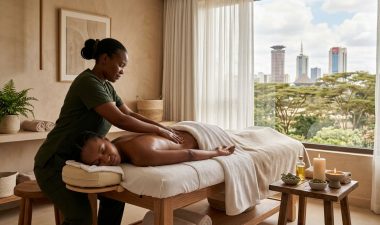
A stiff neck after desk work, a sore lower back from long drives, or heavy legs after the gym can turn into a constant, distracting ache. That’s where Deep Tissue Massage helps, because it focuses on the tight, painful spots that don’t loosen up with light pressure. It’s slow, targeted work, and you’ll feel the therapist spend time where your body needs it most.
This isn’t a “relaxation rub,” although many people do feel calmer afterward. Expect firm pressure, steady pacing, and clear communication so the session stays effective without crossing into sharp pain. In Nairobi, it’s a common pick for office posture strain, traffic-related stiffness, training recovery, and stress that shows up as tight shoulders and a clenched jaw.
In this guide, you’ll learn what deep tissue massage actually does, what it feels like, how to prepare, and what aftercare makes the results last longer. You’ll also get practical safety tips, including when to skip a session and talk to a clinician first.
If you want deep, professional bodywork in South B, you can also check the Splendid Massage & SPA services to see the massage options available and choose a session that fits your goals. This post is for anyone who wants real relief, not guesswork, and wants to book with clear expectations.
What Deep Tissue Massage Is, and What It Is Not
Deep Tissue Massage is focused, slow bodywork that targets tight bands in muscles and the connective tissue around them. The goal is simple, ease stubborn tension, improve movement, and reduce ache that keeps coming back. It often helps when stress, long sitting, gym training, or old injuries leave certain areas feeling “stuck.”
At the same time, deep tissue work is not a test of toughness. It is not a fast, hard “beating up” of the body, and it should not leave you feeling harmed. When it’s done well, it feels like steady, skilled pressure that gets results, while staying within your comfort.
How the therapist reaches deeper layers safely
A good deep tissue session starts with warming the area. Your therapist uses slow strokes first, because cold, guarded muscles resist pressure. Once the tissue softens, they work along the muscle fibers (and sometimes across them) to loosen tight spots that feel like knots or cords.
The key is sustained pressure, not speed. Deep does not mean fast or forceful. Think of it like slowly melting butter, not pounding a nail. When pressure builds gradually, your nervous system has time to relax, so the muscle releases instead of bracing.
Therapists also use different tools in a controlled way, depending on the body area and your comfort:
- Forearms for broad, even pressure on large muscles like the back and thighs.
- Knuckles for more precise work along the shoulder blades, hips, and calves.
- Elbows for focused pressure on thicker tissue, used carefully and never “dropped” into you.
Breathing matters too. As you exhale, the body often lets go a little more. That’s why a skilled therapist times pressure and pace, rather than rushing. If you’re booking in South B, Nairobi, ask for a session that includes a short relaxation phase first, then deeper work on your problem area. At Splendid Massage & Spa, this kind of pacing helps you get real relief without feeling overwhelmed.
Deep tissue vs Swedish, hot stone, and sports massage
Many people assume every firm massage is “deep tissue.” In practice, each style has a different purpose. Here’s a simple way to compare them by pressure, pace, best for, and what it feels like.
Deep Tissue Massage
- Pressure: Firm to very firm (but controlled).
- Pace: Slow and deliberate.
- Best for: Ongoing tightness, posture strain, knots, limited range of motion.
- Feels like: Targeted pressure that “gets into it,” with clear release moments.
Swedish massage
- Pressure: Light to medium (can be adjusted).
- Pace: Usually smoother and more flowing.
- Best for: Stress relief, gentle muscle tension, first-time clients.
- Feels like: Relaxing, soothing, and sleep-inducing.
Hot stone massage
- Pressure: Light to medium, sometimes medium-firm.
- Pace: Steady, calming.
- Best for: People who feel tense and cold, or who struggle to relax.
- Feels like: Warmth sinking in, muscles softening without heavy pressure.
Sports massage
- Pressure: Varies (light to firm) based on training phase and soreness.
- Pace: Can be brisk, with more movement-based work.
- Best for: Training recovery, overuse areas, pre-event or post-event care.
- Feels like: Functional and focused, sometimes with stretching and compression.
One more thing, you don’t have to pick one “box.” Many sessions mix goals. For example, you can start with Swedish-style work to calm the system, then switch to deep tissue on your neck and upper back where the real problem sits.
The best massage is the one that matches your body today, not the one with the toughest reputation.
What “good pain” means, and what pain is a red flag
Deep tissue work can feel intense, but it should still feel safe and productive. A simple way to guide the session is a 1 to 10 comfort scale:
- Barely feel it
- Comfortable pressure
- Strong pressure, still relaxed
- Very intense, but manageable and “hurts good”
- Too much, you want to pull away
A helpful rule is: stay around 5 to 7. You should be able to breathe normally and unclench your jaw. If you notice yourself tensing, holding your breath, or bracing your shoulders, the pressure is already too high to be effective.
Watch for red flags. These sensations are not “good pain,” and they need an immediate adjustment:
- Sharp, stabbing pain
- Tingling or “pins and needles”
- Burning sensations
- Numbness
- Pain that makes you hold your breath or feel panicked
Speak up early, not at the end. Your therapist can change angle, reduce pressure, or work around the spot first. Deep Tissue Massage works best as a conversation, because your feedback helps the therapist stay on the right layer and avoid irritating nerves or inflamed tissue.
Real Benefits People Notice, from Sore Backs to Better Movement
Deep Tissue Massage is popular because it can feel practical. You walk in with tight, stubborn areas, and you leave feeling like your body has more space. The changes people notice are often simple, less pulling in the neck, easier bending, and less “grabbing” in the hips when you stand up.
Still, it’s not a magic fix. The best results usually come when massage supports your daily habits, like better desk setup, short stretch breaks, and regular movement.
Common issues deep tissue massage can help with
A lot of tension starts in the same places, especially if you spend hours on a laptop or phone. When your head drifts forward and your shoulders round in, the upper back works overtime. Over days and weeks, that strain can show up as stiffness, headaches, or a neck that just won’t turn comfortably. Deep Tissue Massage may help by easing tight bands in the neck, upper back, and the muscles around the shoulder blades.
Lower back tightness is another common complaint. Many people report that the back feels “locked” after long drives, long sitting, or standing all day. In many cases, the issue isn’t just the lower back itself. The hips, glutes, and even the hamstrings can pull on the pelvis and make the lower back feel constantly switched on. Focused work on the glutes and hip rotators may help you stand straighter and move with less effort.
Calves and feet matter more than most people think. If your calves feel like ropes, you might notice ankle stiffness, foot fatigue, or discomfort after walking around Nairobi all day. Deep work on the calves, along with the soles of the feet, may help reduce that “heavy legs” feeling, especially when paired with hydration and gentle stretching later.
General muscle knots (those tender, pea-like spots) are also a top reason people book. Many people report that steady pressure and slow passes over these areas help them feel looser and less reactive to touch.
If your body feels like a shirt that shrank in the wash, deep tissue work may help it feel closer to your real size again.
What science says, and where the evidence is mixed
Massage research, in plain terms, says this: it can help some people feel less pain and move better, especially when sessions are consistent and combined with smart habits. Many people report short-term relief right away, then more stable improvement when they keep up with movement between appointments.
A few things help explain why results vary. First, pain has different causes. A tight muscle from posture strain may respond quickly, while pain tied to nerve irritation, an old injury, or inflammation can be more complicated. Second, your recovery basics matter more than you might think. Sleep, hydration, stress levels, and your daily activity can all change how your body responds to deep pressure.
It also helps to think of massage as part of a bigger plan, not the whole plan. Most people do best when they combine Deep Tissue Massage with:
- Light stretching after the session (not aggressive, just steady)
- Simple strength work for areas that fatigue easily (like glutes and upper back)
- Frequent movement breaks during desk days, even 2 minutes at a time
On the other hand, the evidence is mixed for big promises and instant “fixes.” If someone expects one session to undo months of tension, they often feel disappointed. The realistic win is this: many people report feeling better in their body, then keeping that progress with repeat care and better movement choices.
Deep tissue for athletes and active people in Nairobi
Training hard is great, but your muscles don’t always recover on schedule. If you lift, run, play football, or take intense fitness classes, you’ve probably felt DOMS (delayed onset muscle soreness), that deep ache that peaks a day or two after a tough session. Deep Tissue Massage may help with perceived soreness and stiffness, especially when it focuses on the areas that tighten most, like quads, glutes, calves, and upper back.
Tight hamstrings are another common story. When hamstrings stay short and cranky, you may feel limited when you hinge, sprint, or even walk fast. A skilled therapist can work the hamstrings and surrounding muscles slowly, then you can maintain the change with light stretching and warm-ups.
People also talk about “IT band tightness.” It’s worth clearing up one point: you can’t really stretch the IT band itself like a muscle because it’s thick connective tissue. However, you can reduce tension in the muscles that feed into it, like the glutes (especially the side glutes) and the outer quad area. Many people report less pulling along the outside of the thigh when those muscles calm down.
Timing matters if you train often:
- Avoid very deep leg work right before heavy leg day, because extra soreness can mess with form.
- Book deeper sessions on easier training weeks or after a rest day.
- Go lighter 24 to 48 hours before an event, because you want your legs to feel fresh, not tender.
In South B, Splendid Massage & Spa offers massage sessions that can be tailored for active bodies, whether you need focused lower-body work, back and shoulder release, or a more balanced full-body session to support recovery between training days.
Stress relief is real, even when the work is deep
Deep work can still calm you down. That might sound odd if you picture deep tissue as intense. However, when pressure is applied slowly and steadily, your nervous system often gets the message that it’s safe to stop bracing. Many people report they came in “wired,” then left feeling grounded and clear-headed.
Here’s the simple nervous system angle: when you live in a constant rush, your body can stay in an “on edge” state. Muscles tighten to protect you, even when there’s no real danger. Slow, confident touch, plus steady pacing, can help shift you toward a calmer state, where muscles release more easily.
Your breathing can make the session work better. Try these quick cues:
- Inhale through your nose, slow and quiet.
- Exhale a little longer than you inhale, especially when the therapist stays on a tight spot.
- Drop your tongue from the roof of your mouth to unclench the jaw.
If the pressure ever makes you hold your breath, it’s usually too much. A well-run Deep Tissue Massage feels strong, but it also feels controlled. When it’s done right, intensity and relaxation can exist in the same session.
What to Expect Before, During, and After Your Session
A Deep Tissue Massage works best when you know what will happen and how to guide it. Think of it like a good haircut, you get better results when you show up with a clear idea, speak up during the service, and maintain it afterward. The goal is simple, help your therapist target the right areas in a way that feels effective and safe.
If you’re booking in South B, Nairobi, Splendid Massage & Spa can tailor the session around your problem spots, whether you want a full-body reset or focused work on your neck, shoulders, or lower back.
Before you arrive: quick checklist for best results
A little prep helps your muscles respond faster, and it can make the session feel less intense. Start with hydration, because well-hydrated tissue tends to feel less “grippy” under pressure. You don’t need to overdo it, just drink water earlier in the day, and bring a bottle if you can.
Try to eat a light meal 1 to 2 hours before your appointment. A heavy meal can make you uncomfortable when you lie on your stomach, while an empty stomach can leave you feeling shaky. If you’ve had a long day, a banana, yogurt, or a simple snack is usually enough.
Arrive a bit early so you can settle in. Rushing in with tight shoulders and fast breathing makes your body resist pressure. Those extra minutes help you slow down, use the restroom, and start the session calmer.
Most importantly, share any key health info up front. Your therapist can adjust techniques, avoid risky areas, or recommend a different approach.
Here’s what to mention before your Deep Tissue Massage begins:
- Injuries or recent pain changes (especially new pain you can’t explain)
- Past surgeries, including C-sections and orthopedic work
- Pregnancy or if you think you might be pregnant
- Blood thinners or bleeding issues (easy bruising matters)
- Nerve symptoms like tingling, numbness, or burning pain
- Sensitive or no-go areas, plus places you do want focused work
Finally, set a simple goal. One clear focus beats a vague “fix everything” request.
Examples that help your therapist plan:
- “Please focus on my neck and shoulders. I sit at a desk all day.”
- “My lower back and hips feel tight, especially after driving.”
- “My calves and feet get heavy after walking and gym days.”
During the massage: how to talk about pressure and comfort
Deep Tissue Massage should feel strong, but it should still feel controlled. The best sessions feel like teamwork, because your therapist can only feel the outside of the muscle, while you feel what’s happening inside. When you speak up early, the therapist can adjust before your body tightens up and starts guarding.
If you’re not sure what to say, use clear, simple phrases. These work well because they describe what you feel and what you want next:
- “Please stay on that spot, but ease up a little.“
- “That feels sharp, can you change angle?“
- “That pressure is good, keep it there for a few breaths.“
- “Can you work around it first, then come back?“
- “It’s starting to tingle, please reduce pressure.“
- “I’m holding my breath, can we go lighter?“
You never need to “push through” sharp pain to prove anything. In fact, sharp pain often makes muscles clamp down, which wastes time and can leave you more sore.
Privacy and comfort should also feel straightforward. Expect professional draping with sheets or towels so only the area being worked on is exposed. If something feels off, say so right away. Consent matters the whole time, not just at the start.
A simple comfort check you can use is:
- “Can we adjust the drape? I don’t feel fully covered.“
- “My shoulder feels exposed, can you cover it more?“
- “Please avoid that area today.“
Good deep tissue work is not a silent test of pain tolerance. Communication helps your therapist work better, and it helps your body release faster.
At Splendid Massage & Spa in South B, you can also ask for a targeted session if you know your main issue. That keeps the work focused, especially when you’re dealing with stubborn knots or posture strain.
Aftercare that makes the massage last longer
The session doesn’t end when you get off the table. What you do in the next few hours can decide whether you feel loose for days, or you tighten back up by evening. Keep it simple, because your body is already processing a lot of input.
Start with water. Deep Tissue Massage can leave muscles feeling tender, and hydration supports normal recovery. Next, choose gentle movement over complete rest. A short walk helps circulation and keeps the area from stiffening up again.
Good aftercare for most people looks like this:
- Drink water over the next few hours.
- Take a warm shower if you feel stiff (warmth helps tissues relax).
- Do gentle stretching (stop before it turns into strain).
- Avoid heavy lifting or intense training right after, if you can.
- Sleep well, because recovery loves sleep.
Some soreness can be normal. Many people feel tender in the worked areas for 24 to 48 hours, especially after a first deep session or after a long gap. It should feel like muscle soreness, not like a new injury.
If you want simple tools at home, keep them basic and controlled:
- A foam roller works well for larger areas like quads and upper back. Use slow passes, and don’t grind over bony spots.
- A tennis ball helps pinpoint tight areas around the shoulder blade, glutes, and hips. Lean into it gently and breathe, don’t force it.
- Heat vs ice basics: Use heat for general tightness and stiffness. Use ice if an area feels hot, irritated, or mildly inflamed after the session. When in doubt, go with short heat and gentle movement.
If you book Deep Tissue Massage regularly, track what changes after each session. For example, you might notice your neck turns easier, or your lower back feels less “grabby” when you stand. Those small wins guide your next appointment.
Side effects and safety, when to skip or get medical advice first
Most people leave a Deep Tissue Massage feeling looser, lighter, and calmer. Still, it’s smart to know what’s normal and what’s not. Mild tenderness, temporary soreness, and light bruising can happen, especially if you bruise easily or you went very deep.
On the other hand, some situations call for caution. It’s better to reschedule than to push through and feel worse. Skip a session, or ask a clinician first, if any of these apply:
- Fever, flu-like symptoms, or active infection
- Open wounds, fresh burns, or skin that’s actively irritated
- Recent fractures or suspected fractures
- History of deep vein thrombosis (DVT) or signs like sudden one-leg swelling and pain
- Uncontrolled high blood pressure
- Severe varicose veins (deep pressure can aggravate them)
- Certain skin conditions that flare with friction or oils
- New, unexplained pain that doesn’t match your usual muscle tension
Keep it practical. If something feels “off” in a way you can’t explain, don’t gamble with it. Also get medical advice if you notice red-flag symptoms after a session, such as worsening nerve symptoms (numbness, tingling that spreads), severe swelling, chest pain, or unusual shortness of breath.
A good therapist will respect these boundaries and adjust the plan. At Splendid Massage & Spa in South B, you can ask for a lighter approach, focused work around sensitive areas, or a different massage style if deep pressure isn’t the right fit that day.
Getting Deep Tissue Massage in South B, Nairobi: What Splendid Massage & Spa Offers
If you’re booking a Deep Tissue Massage in South B, you want two things, real relief and a session that fits your body. At Splendid Massage & Spa, the value is in targeted work, clear pressure control, and a plan that matches what’s actually tight (not what sounds good on a menu).
Think of deep tissue like a focused repair, not a paint job. When the therapist works the right areas, slowly and with intent, you get better movement and less nagging ache afterward.
How to choose the right session length and focus areas
Session length matters because deep tissue work needs time to warm tissue, find the real problem, then release it without rushing. Here’s a simple way to choose between 60 and 90 minutes.
| Session length | Best for | How it feels in practice |
|---|---|---|
| 60 minutes | One main issue, or first-time deep tissue | Enough time to warm up, then go deep in 1 to 2 areas |
| 90 minutes | Multiple problem areas, or long-standing tightness | Less rushed, more thorough work, with time to re-check tight spots |
A longer session helps when tension is spread out. For example, a tight lower back often comes from hips and glutes, not just the spine area. With 90 minutes, the therapist can treat the “roots,” not only the loudest symptom.
For first-timers, focusing on 1 to 2 areas often beats “full body deep.” Full-body deep can feel like too much input at once, so your nervous system guards and the pressure stops working. It’s like trying to untie five knots at the same time.
Here are a few simple, effective focus plans you can request:
- Neck and shoulders (desk strain): Start with upper back and shoulder blades, then work into neck tightness, finish with gentle scalp or jaw release if needed.
- Back and hips (driving or sitting): Combine mid-back work with glutes and hip rotators, because hips often drive the lower-back pull.
- Legs for runners (heavy calves and quads): Focus on calves, hamstrings, and outer hips, then add light foot work to reduce that “cement legs” feeling.
If you want deep work, pick one priority goal. Depth works best when it’s not rushed.
Questions to ask when booking at Splendid Massage & Spa
A good booking call sets the session up for success. You don’t need a long interview, just a few smart questions that protect your comfort and your results.
Here are practical questions worth asking:
- “How experienced is the therapist with Deep Tissue Massage?” You want someone who understands pace, not only pressure.
- “Can we agree on a pressure scale before we start?” Ask for a check-in during the session so you can adjust early.
- “I have an old injury, how should I explain it, and can you work around it?” Mention surgeries, recurring strains, or any spot that flares easily.
- “If I feel tingling or sharp pain, what’s the best way to signal you?” This keeps communication simple, especially if you’re face-down.
- “What time should I arrive?” Arriving a bit early helps you settle and avoids cutting into your session time.
- “What’s your hygiene routine between clients?” Clean linens, washed hands, and sanitized surfaces should be standard.
- “Is there parking nearby, and how’s access at busy hours?” This helps you plan, especially on weekdays.
- “What payment options do you accept?” Confirm before you arrive so checkout stays smooth.
- “What’s the easiest way to reach you, phone or WhatsApp?” Ask which is best for confirmations, late arrivals, or quick questions.
Keep your part simple too. Share your main issue in one line, then add one detail, like what triggers it and how long it has been there.
Pairing deep tissue with other spa options for better results
Sometimes the best deep tissue session starts before the first deep stroke. Heat-based add-ons can help muscles soften, so the therapist doesn’t have to “fight” tight tissue. That usually means you tolerate pressure better and get a cleaner release.
Heat tends to help when:
- You feel stiff and guarded, especially in the back, hips, and shoulders.
- You’re coming in stressed, and your muscles won’t “switch off.”
- You want firm work, but you bruise easily and need a gentler ramp-up.
On the other hand, keep it simple when you’re already sore, inflamed, or dealing with a flare-up. In those cases, adding too many extras can leave you overstimulated and more tender the next day. A straightforward, targeted Deep Tissue Massage often wins.
If you’re combining services at Splendid Massage & Spa, treat the massage as the anchor. Add light wellness options only if they support recovery and comfort (for example, calm heat and a quiet wind-down). Grooming services can be a nice add-on for convenience, but don’t let them replace the time you need on the table.
For repeat visits, consistency beats intensity. Many people do well with:
- Every 2 to 4 weeks for maintenance and posture strain.
- More often during a flare-up, then taper back once movement and pain settle.
The best sign you found the right combo is simple, you move easier a few days later, and the tightness returns slower than before.
Conclusion
Deep Tissue Massage works best for people with stubborn tightness, desk-posture strain, gym soreness, and the kind of knots that keep coming back. You should expect slow, steady pressure, clear check-ins, and a focused plan, not rushed force. When the pacing is right, you’ll often leave with better movement, less pulling, and a calmer body.
Safety still matters. Aim for pressure that feels strong but controlled (about a 5 to 7 out of 10), and speak up the moment anything feels sharp, numb, burning, or tingly. Also skip your session and get medical advice first if you’re sick, have a recent injury, signs of DVT, or new pain you can’t explain.
If you’re booking in South B, Nairobi, Splendid Massage & Spa offers Deep Tissue Massage that can be tailored to one or two problem areas, so the therapist can work with intent and not rush. That approach tends to feel better during the session, and it usually holds longer afterward.
Next step, pick your main problem area (neck and shoulders, back and hips, or legs), book your session, and agree on a pressure scale before you start. Then keep the results with aftercare: drink water, take a short walk, stretch gently, and avoid heavy training right after. Thanks for reading, what’s the one area you want to feel easier in your body this week?